Posted on September 16, 2026
Learn how to choose acrylic vs laminate by comparing finish look, scratch visibility, and cleaning routine, room use, finish options, and buyer checks.
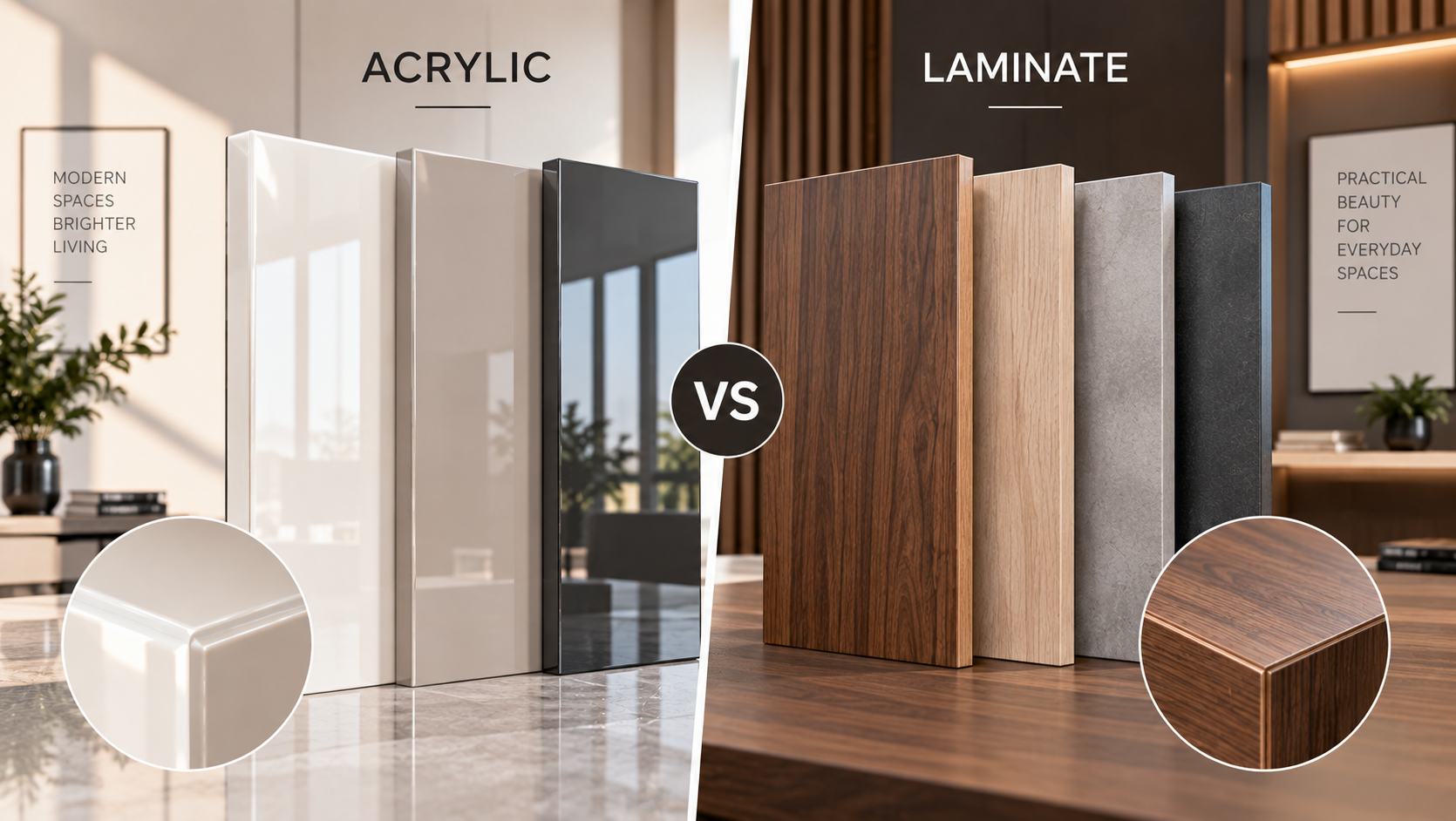
When buyers compare acrylic finish with laminate finish, the right option depends on room use, finish preference, maintenance tolerance, and budget. One choice may suit a design brief better, while the other can be easier to maintain or more practical for high-traffic areas.
Related searches such as "acrylic sheet vs laminate" and "modern interior finishes" usually point to the same decision stage. Readers are trying to connect product type, finish choice, fabrication method, and supplier quality to a real project instead of collecting isolated terminology.
When someone searches for acrylic vs laminate, they are usually close to a real buying or specification decision. A useful acrylic vs laminate page should remove uncertainty, show what to compare, and help the reader move from broad research to a cleaner shortlist without depending on vague sales language.
Material definition matters because buyers often land on this topic after hearing the term from a dealer, architect, or fabricator without getting a practical explanation. In simple terms, acrylic finish means a decorative surface choice that usually prioritizes gloss and reflectivity over a wide texture range. That definition becomes useful only when it is tied to the actual project rather than treated like a badge.
For most readers, the next step is to judge acrylic finish against finish look, scratch visibility, cleaning routine, budget, and room use. A product that works for modular kitchens, wardrobes, TV units, and vanity and utility storage can still be the wrong call if the finish, exposure, or framing conditions are different. Reading the term through use keeps the page grounded and easier to apply on site.
Finish choices shape both the look and the maintenance routine. High gloss acrylic, matte laminate, textured laminate, and woodgrain laminate can all work, but they do not age or clean the same way. A surface that looks sharp under showroom lighting may behave very differently once fingerprints, scratches, or side lighting become everyday factors.
The safest sequence is to lock the base build first, then shortlist finishes that suit the room. That order keeps design enthusiasm from overriding performance checks, and it helps buyers choose a finish that feels right beyond the first week of installation.
The headline comparison works only when both options are judged under the same conditions. Acrylic finish and laminate finish can both look acceptable in a showroom, but they begin to separate when room use, maintenance habits, and finish expectations become part of the conversation.
Instead of asking which one is universally better, ask which one fits the project more cleanly. Compare them on finish look, scratch visibility, cleaning routine, budget, and room use, then check how the choice will feel after months of use. That move turns a style debate into a practical buying decision.
The headline comparison works only when both options are judged under the same conditions. Acrylic finish and laminate finish can both look acceptable in a showroom, but they begin to separate when room use, maintenance habits, and finish expectations become part of the conversation.
Instead of asking which one is universally better, ask which one fits the project more cleanly. Compare them on finish look, scratch visibility, cleaning routine, budget, and room use, then check how the choice will feel after months of use. That move turns a style debate into a practical buying decision.
Maintenance deserves a real place in the buying decision because visual appeal and long-term convenience do not always point in the same direction. Some surfaces reward careful upkeep, while others stay calmer under routine family use.
Ask what normal cleaning looks like, how the finish handles light wear, and whether small repairs can be made neatly. Buyers who plan for care early make steadier choices and are less likely to regret a finish that looked perfect for a single presentation sample.
Moisture changes the decision because edges, joints, and installation quality start to matter as much as the visible surface. Products often fail from their weak points first, and those weak points usually sit at the edge or around hardware cut-outs rather than at the center of the face.
If the application is close to sinks, bathroom humidity, balcony openings, or repeated mopping, ask how the build has been protected and whether the chosen specification suits that exposure. A panel or door can look intact from the front while struggling underneath if that question was ignored.
Maintenance deserves a real place in the buying decision because visual appeal and long-term convenience do not always point in the same direction. Some surfaces reward careful upkeep, while others stay calmer under routine family use.
Ask what normal cleaning looks like, how the finish handles light wear, and whether small repairs can be made neatly. Buyers who plan for care early make steadier choices and are less likely to regret a finish that looked perfect for a single presentation sample.
The right application depends on what the product has to handle every day. Dry rooms often place more weight on finish and visual calm, while active areas shift the focus toward moisture resistance, structural stability, and ease of cleaning.
For this topic, think in terms of modular kitchens, wardrobes, TV units, and vanity and utility storage. Matching the material or door to the room reduces costly guesswork. It also stops the common mistake of selecting one specification for the whole project just because it looked convincing on a sample board.
The right application depends on what the product has to handle every day. Dry rooms often place more weight on finish and visual calm, while active areas shift the focus toward moisture resistance, structural stability, and ease of cleaning.
For this topic, think in terms of modular kitchens, wardrobes, TV units, and vanity and utility storage. Matching the material or door to the room reduces costly guesswork. It also stops the common mistake of selecting one specification for the whole project just because it looked convincing on a sample board.
The right application depends on what the product has to handle every day. Dry rooms often place more weight on finish and visual calm, while active areas shift the focus toward moisture resistance, structural stability, and ease of cleaning.
For this topic, think in terms of modular kitchens, wardrobes, TV units, and vanity and utility storage. Matching the material or door to the room reduces costly guesswork. It also stops the common mistake of selecting one specification for the whole project just because it looked convincing on a sample board.
|
Factor |
Acrylic finish |
Laminate finish |
Best fit |
|
Look and visual style |
Cleaner or flatter face profile |
More distinctive profiling or alternate surface character |
Choose according to the room mood and design brief |
|
Maintenance routine |
Works best when the user wants predictable upkeep |
Can suit buyers who accept a different care pattern |
Match the choice to how the space will be used every day |
|
Moisture and wear |
Review with the actual room exposure in mind |
Review with edges, build, and finish details in mind |
Do not approve either option without checking the installation context |
|
Budget logic |
May suit projects that want a direct specification path |
May suit projects where the visual effect justifies the difference |
Compare total value, not only the first quote |
Neither option is always better. The right choice depends on room use, maintenance expectations, design style, and how the product will be installed.
That depends on the finish system, the amount of touch, and how visible daily marks become in the chosen room. Review care requirements before deciding.
No. Compare total value, including fit, finish quality, maintenance, and the risk of rework if the wrong option is chosen for the space.
By answering the real buyer questions clearly, using the primary keyword naturally, and turning the comparison into a practical decision guide.
The strongest version of this page helps readers make a decision instead of repeating industry vocabulary. If someone lands here for acrylic vs laminate, the content should leave them with a clearer short list, a better sample-approval process, and a more confident next step. That is what turns a acrylic vs laminate draft into a page that can rank, earn trust, and support conversions. Explore Splice laminate collections.
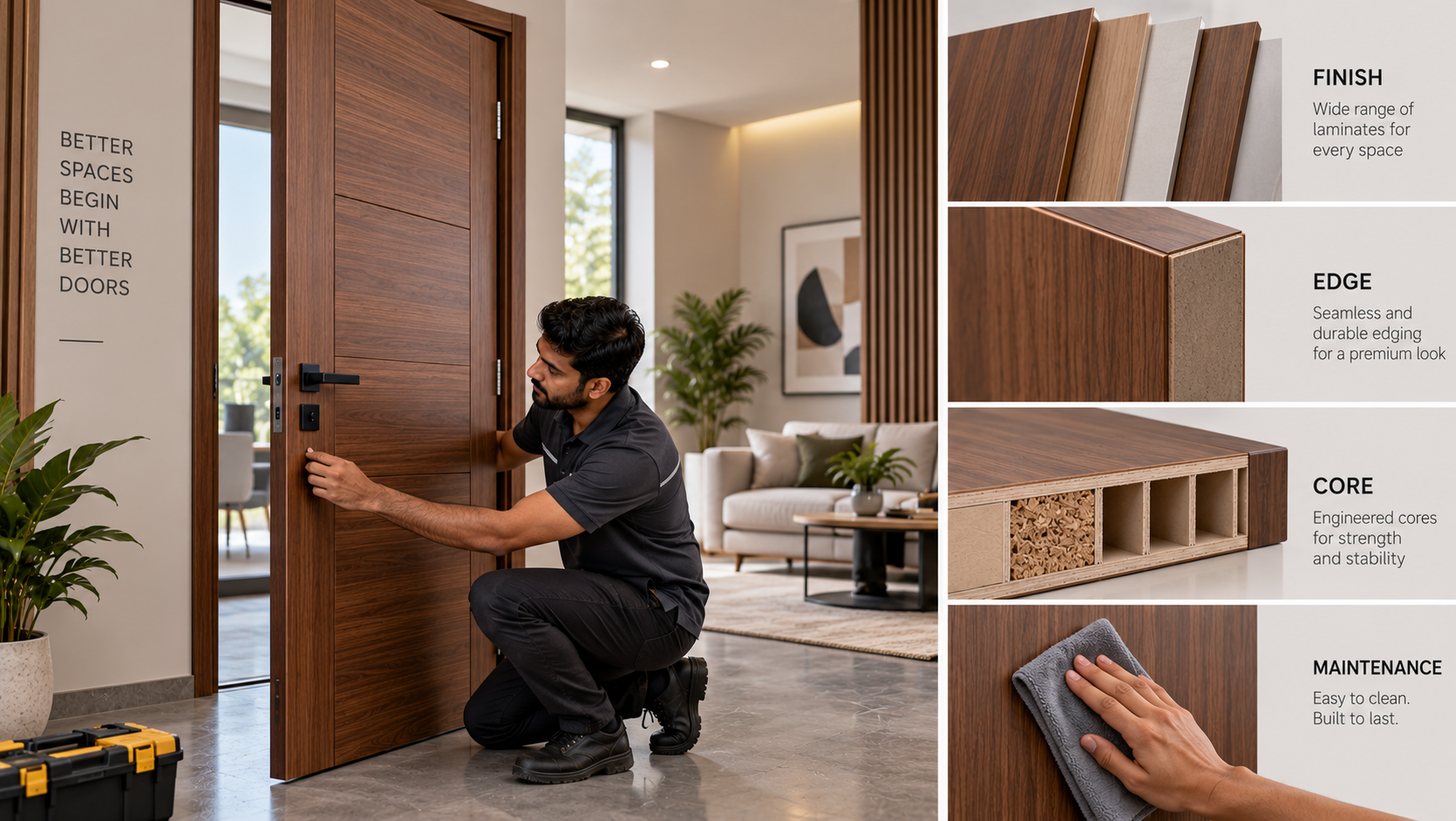 Modern Laminated Doors: Finish, Edge, Core and Maintenance Checklist
.png) Ply Manufacturer in India: Factory, Testing and Product Quality Checklist
Ply Manufacturer in India: Factory, Testing and Product Quality Checklist Door Manufacturer in India: Questions Architects and Builders Should Ask Before Ordering
.png) Calibrated Plywood Thickness Tolerance for CNC and Modular Furniture
Calibrated Plywood Thickness Tolerance for CNC and Modular Furniture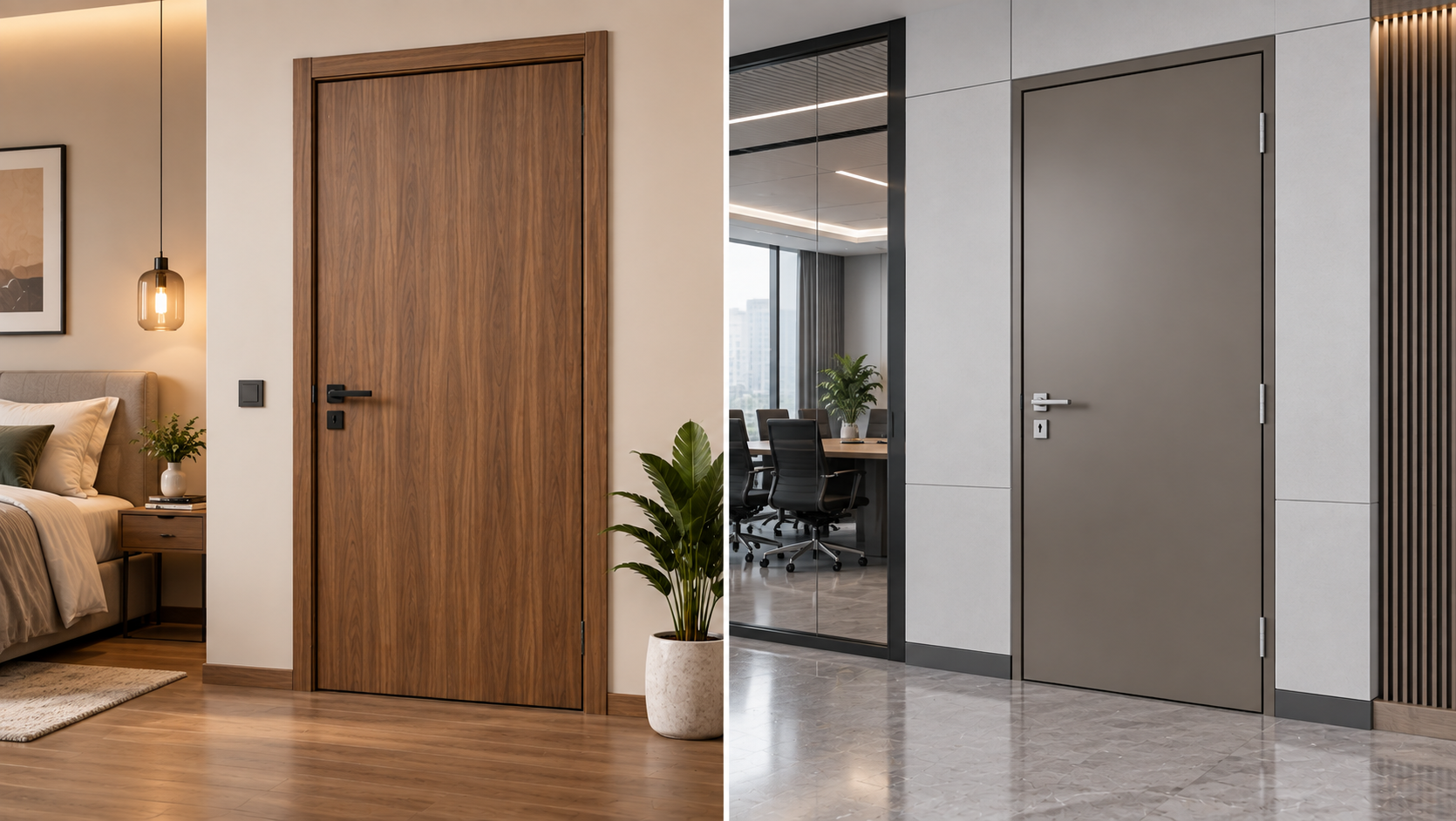 Residential vs Commercial Flush Doors: Performance and Specification Differences
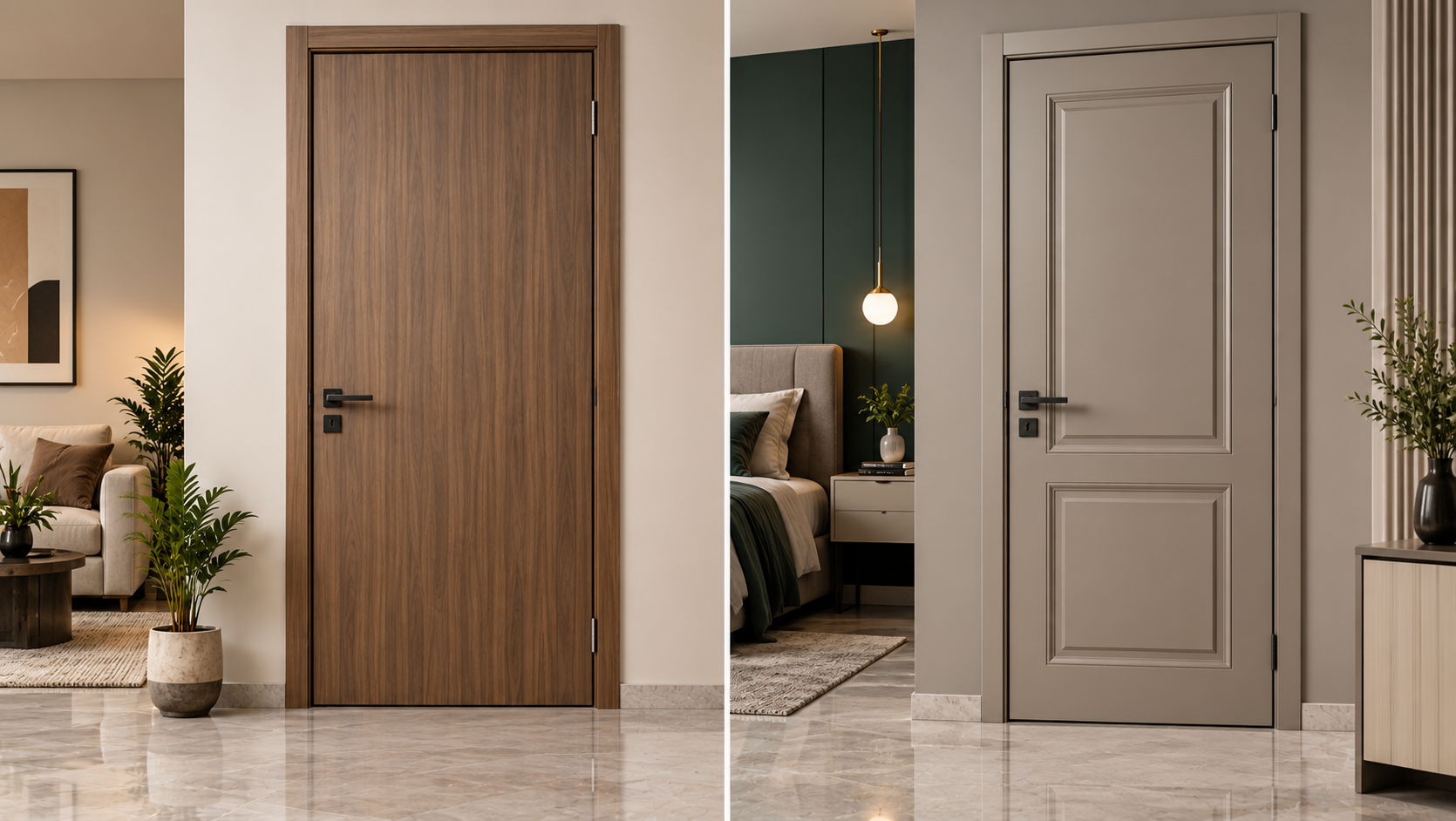 Laminated Flush Door vs Membrane Door: Which Suits Each Room?
 Laminated Door Sizes and Thickness: A Specification Guide for Indian Projects
 1mm Laminate Sheet Price: What Affects the Cost Before You Buy?
 1mm Laminate Designs for Modern Interiors: Wood, Stone, Matte and High Gloss
 How to Choose 1mm Laminate for Kitchen Cabinets: Finish, Colour and Usage Guide