Posted on July 20, 2026
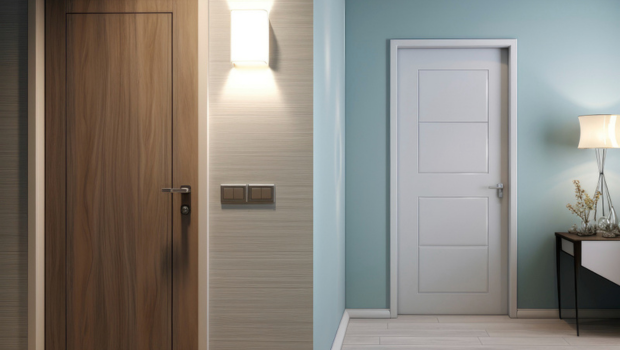
Learn how to choose modern laminated doors by comparing core and frame build, laminate finish, and edge detail, room use, finish options, and buyer checks.
Searches for modern laminated doors usually come from buyers who want a clear decision framework. The strongest way to compare options is to check grade, core quality, bonding, calibration, documentation, and after-sales support. A disciplined checklist is more useful than any unsupported ranking list or brochure claim.
Related searches such as "ply door", "door skin laminates", and "door skin design" usually point to the same decision stage. Readers are trying to connect product type, finish choice, fabrication method, and supplier quality to a real project instead of collecting isolated terminology.
When someone searches for modern laminated doors, they are usually close to a real buying or specification decision. A useful modern laminated doors page should remove uncertainty, show what to compare, and help the reader move from broad research to a cleaner shortlist without depending on vague sales language.
Construction tells you how modern laminated door is likely to behave once it is installed. Look beyond the visible face and check the core, the edge quality, the pressing or bonding consistency, and how neatly the sample has been finished. A smooth surface does not always mean the build below it is dependable.
That is especially important when the application involves bedrooms, main interior passages, office cabins, and residential project doors. In those situations, the hidden structure affects flatness, screw holding, finish quality, and service life. A buyer who studies the edge and back of a sample usually learns more than someone who judges the front face alone.
Finish choices shape both the look and the maintenance routine. Woodgrain laminates, solid-colour laminates, textured laminates, and door skin-style decorative faces can all work, but they do not age or clean the same way. A surface that looks sharp under showroom lighting may behave very differently once fingerprints, scratches, or side lighting become everyday factors.
The safest sequence is to lock the base build first, then shortlist finishes that suit the room. That order keeps design enthusiasm from overriding performance checks, and it helps buyers choose a finish that feels right beyond the first week of installation.
A buying checklist protects readers from sales pressure and from their own assumptions. Before approving modern laminated doors, list the application, the likely wear pattern, the finish plan, and the service expectations in plain language.
Then confirm core and frame build, laminate finish, edge detail, cleaning routine, and sample approval. If those points remain fuzzy, hold the order until the sample and the paperwork make sense together. Most preventable mistakes in this category start when one of those basics is skipped.
Construction tells you how modern laminated door is likely to behave once it is installed. Look beyond the visible face and check the core, the edge quality, the pressing or bonding consistency, and how neatly the sample has been finished. A smooth surface does not always mean the build below it is dependable.
That is especially important when the application involves bedrooms, main interior passages, office cabins, and residential project doors. In those situations, the hidden structure affects flatness, screw holding, finish quality, and service life. A buyer who studies the edge and back of a sample usually learns more than someone who judges the front face alone.
Finish choices shape both the look and the maintenance routine. Woodgrain laminates, solid-colour laminates, textured laminates, and door skin-style decorative faces can all work, but they do not age or clean the same way. A surface that looks sharp under showroom lighting may behave very differently once fingerprints, scratches, or side lighting become everyday factors.
The safest sequence is to lock the base build first, then shortlist finishes that suit the room. That order keeps design enthusiasm from overriding performance checks, and it helps buyers choose a finish that feels right beyond the first week of installation.
Performance on site comes down to fit, structure, and repeat use. Buyers notice appearance first, but contractors and fabricators look just as hard at alignment, screw holding, hardware support, and how predictable the product feels during installation.
That is why the performance conversation should happen before the final finish is approved. For projects involving bedrooms, main interior passages, office cabins, and residential project doors, practical fit and build quality protect the project from the kind of rework that no polished brochure can solve later.
Moisture changes the decision because edges, joints, and installation quality start to matter as much as the visible surface. Products often fail from their weak points first, and those weak points usually sit at the edge or around hardware cut-outs rather than at the center of the face.
If the application is close to sinks, bathroom humidity, balcony openings, or repeated mopping, ask how the build has been protected and whether the chosen specification suits that exposure. A panel or door can look intact from the front while struggling underneath if that question was ignored.
Maintenance deserves a real place in the buying decision because visual appeal and long-term convenience do not always point in the same direction. Some surfaces reward careful upkeep, while others stay calmer under routine family use.
Ask what normal cleaning looks like, how the finish handles light wear, and whether small repairs can be made neatly. Buyers who plan for care early make steadier choices and are less likely to regret a finish that looked perfect for a single presentation sample.
Maintenance deserves a real place in the buying decision because visual appeal and long-term convenience do not always point in the same direction. Some surfaces reward careful upkeep, while others stay calmer under routine family use.
Ask what normal cleaning looks like, how the finish handles light wear, and whether small repairs can be made neatly. Buyers who plan for care early make steadier choices and are less likely to regret a finish that looked perfect for a single presentation sample.
A supplier should make the decision clearer, not foggier. The right vendor can explain the build in plain language, guide the sampling process, and put warranty or testing claims in writing. That matters more than broad marketing language when the order moves from enquiry to approval.
When you compare options, review product consistency, sample handling, availability, and after-sales support together. Price still matters, but unclear documentation often costs more later. A disciplined supplier conversation protects timelines as much as it protects quality.
A buying checklist protects readers from sales pressure and from their own assumptions. Before approving modern laminated doors, list the application, the likely wear pattern, the finish plan, and the service expectations in plain language.
Then confirm core and frame build, laminate finish, edge detail, cleaning routine, and sample approval. If those points remain fuzzy, hold the order until the sample and the paperwork make sense together. Most preventable mistakes in this category start when one of those basics is skipped.
.png) Shuttering Plywood Buying Guide: Strength, Reuse, Thickness & Cost Factors
Shuttering Plywood Buying Guide: Strength, Reuse, Thickness & Cost Factors.png) Waterproof Doors for Bathrooms Kitchens & Balconies What Should You Check?
Waterproof Doors for Bathrooms Kitchens & Balconies What Should You Check?.png) Best Laminate Finish for Wardrobes: Matte, Gloss, Texture or Acrylic?
Best Laminate Finish for Wardrobes: Matte, Gloss, Texture or Acrylic?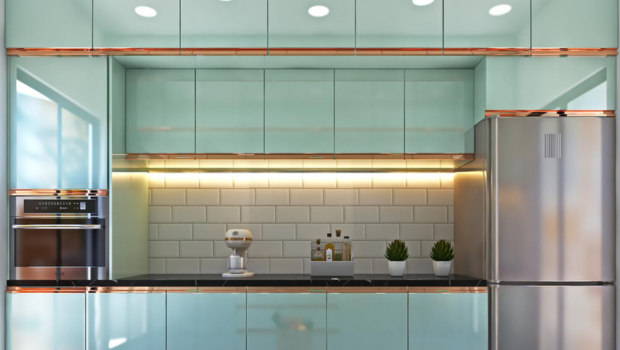 Acrylic Laminate for Kitchen Cabinets: Pros, Cons, Cost & Maintenance
 The Ultimate Guide: Which Plywood is Best for Furniture?
 Splice Ply: The Ultimate Plywood Manufacturer in India for Durable Interiors
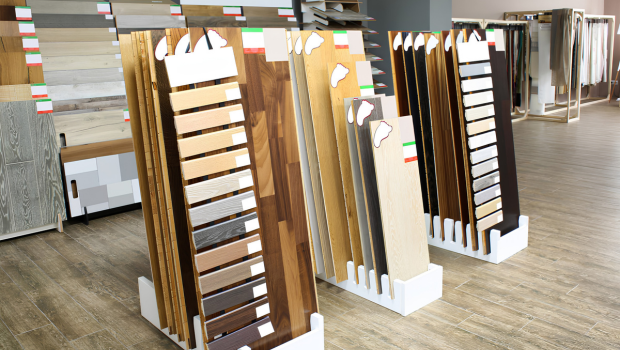 12 Common Mistakes to Avoid When Buying Plywood
 Why Decorative Laminates Are Essential for Modern Commercial Interiors
.png) Bedroom Wardrobe Designs with Mirror: 10 Stylish Ideas for Modern Homes
Bedroom Wardrobe Designs with Mirror: 10 Stylish Ideas for Modern Homes.png) Matte vs Gloss Laminate for Bedroom Wardrobes Which Lasts Longer?
Matte vs Gloss Laminate for Bedroom Wardrobes Which Lasts Longer?