Posted on July 8, 2025
Explore laminate door pros and cons, including durability, design, cost & maintenance. Learn how Splice Ply laminate doors enhance modern interiors.
Imagine walking into a space where doors reflect the warmth of hardwood or the elegance of marble—yet are built to withstand daily wear and tear with ease. This is not just a design concept but the reality of modern laminate doors.
With advancements in manufacturing and design, laminate doors have redefined the balance between aesthetics, durability, and cost. They offer a practical solution for homeowners and businesses looking for stylish interiors without compromising on performance.
However, like any material, laminate doors come with both advantages and limitations. Understanding these can help you make an informed decision for your space.
One of the biggest advantages of laminate doors is their cost-effectiveness. They are significantly more affordable than solid wood or veneer doors, making them a practical choice for budget-conscious buyers.
Laminate is a tough material that withstands daily wear and tear. It is resistant to scratches, stains, and fading, making it ideal for high-traffic areas and homes with children or pets.
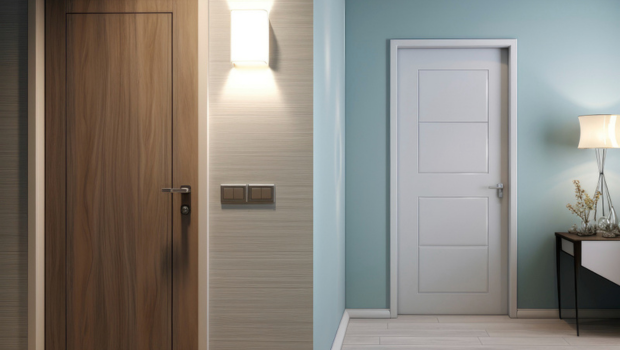
Laminate doors are available in a variety of colors, textures, and finishes. They can replicate natural materials like wood and stone, allowing you to achieve a premium look without the high cost.
Maintaining laminate doors is simple. A quick wipe with a damp cloth is enough to keep them clean, unlike wood doors that require regular polishing or refinishing.
Laminate doors perform well in humid environments such as kitchens and bathrooms. Their resistance to moisture reduces the risk of warping or swelling.
Unlike natural wood, laminate provides uniform color and texture across all doors, ensuring a consistent and polished look.
Many laminate doors are manufactured using sustainable processes and materials, making them a more environmentally conscious choice.
Over time, especially in extreme conditions, the laminate layer may peel if exposed to excessive moisture or physical damage.
Unlike wooden doors, laminate doors cannot be easily repaired or refinished. Significant damage may require full replacement.
While laminates mimic wood, they lack the authentic texture and warmth of real wood.
Laminate doors offer fewer options for intricate designs compared to solid wood doors.
Lower-quality laminates may appear artificial, so selecting a reliable brand is essential for achieving a premium look.
Identify whether the door will be used in residential or commercial spaces. High-traffic areas require more durable options.
For bathrooms, kitchens, or humid areas, choose laminates with high water resistance.
The internal core (such as MDF or plywood) plays a major role in durability and performance.
Choose finishes that are easy to clean, especially in spaces prone to dirt or spills.
When it comes to combining performance with design, Splice Ply laminate doors offer a reliable solution. Crafted using high-quality materials, these doors are designed for durability, moisture resistance, and long-lasting aesthetics.
With a wide variety of designs and finishes, Splice Ply makes it easy to find doors that complement both residential and commercial interiors. Their focus on quality and sustainability ensures that you’re not only enhancing your space but also making a responsible choice.
Laminate doors are a smart and practical option for modern interiors. They offer a balance of affordability, durability, and design flexibility, making them suitable for a wide range of applications.
While they may not fully replicate the feel of natural wood or offer the same level of customization, their benefits often outweigh their limitations for everyday use.
By carefully evaluating your needs and choosing the right quality, you can make laminate doors a valuable addition to your space—combining style, functionality, and long-term performance.
For expert guidance and the right laminate door for your needs, call us today—we’re here to help you make the best choice.
Please contact:- +91-9821437344
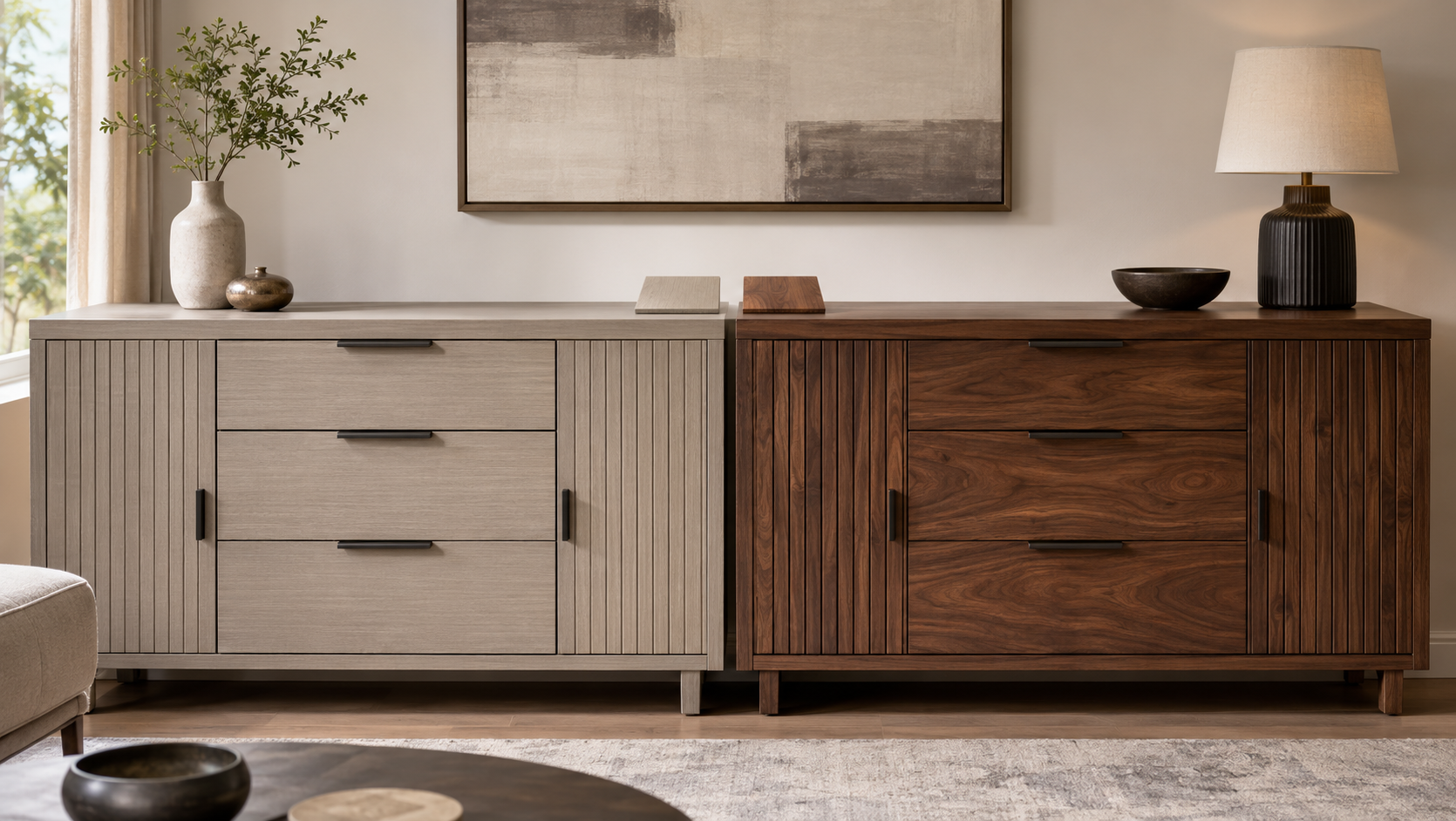 Laminate vs veneer: Which finish is better for furniture?
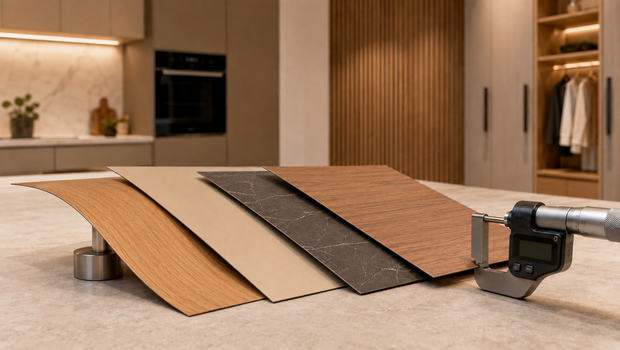 Laminate sheet thickness guide: 0.8 mm, 1 mm and more
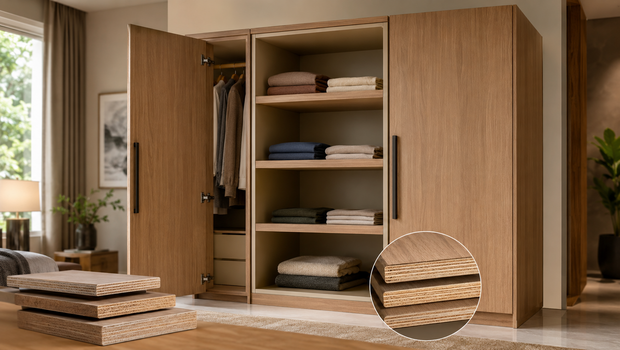 Best plywood thickness for wardrobes, shelves and shutters
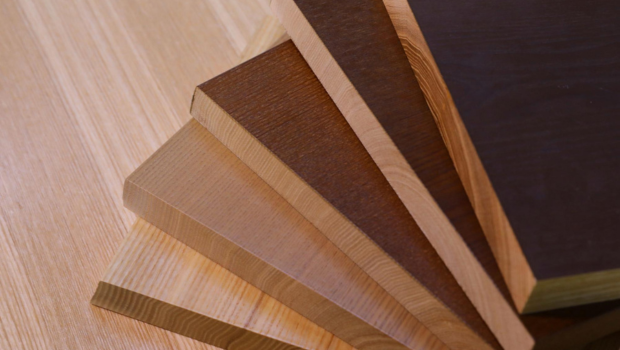 Plywood vs MDF for kitchen cabinets: Which is better?
 Modern Laminated Doors: Finish, Edge, Core and Maintenance Checklist
.png) Shuttering Plywood Buying Guide: Strength, Reuse, Thickness & Cost Factors
Shuttering Plywood Buying Guide: Strength, Reuse, Thickness & Cost Factors.png) Waterproof Doors for Bathrooms Kitchens & Balconies What Should You Check?
Waterproof Doors for Bathrooms Kitchens & Balconies What Should You Check?.png) Best Laminate Finish for Wardrobes: Matte, Gloss, Texture or Acrylic?
Best Laminate Finish for Wardrobes: Matte, Gloss, Texture or Acrylic? Acrylic Laminate for Kitchen Cabinets: Pros, Cons, Cost & Maintenance
 The Ultimate Guide: Which Plywood is Best for Furniture?