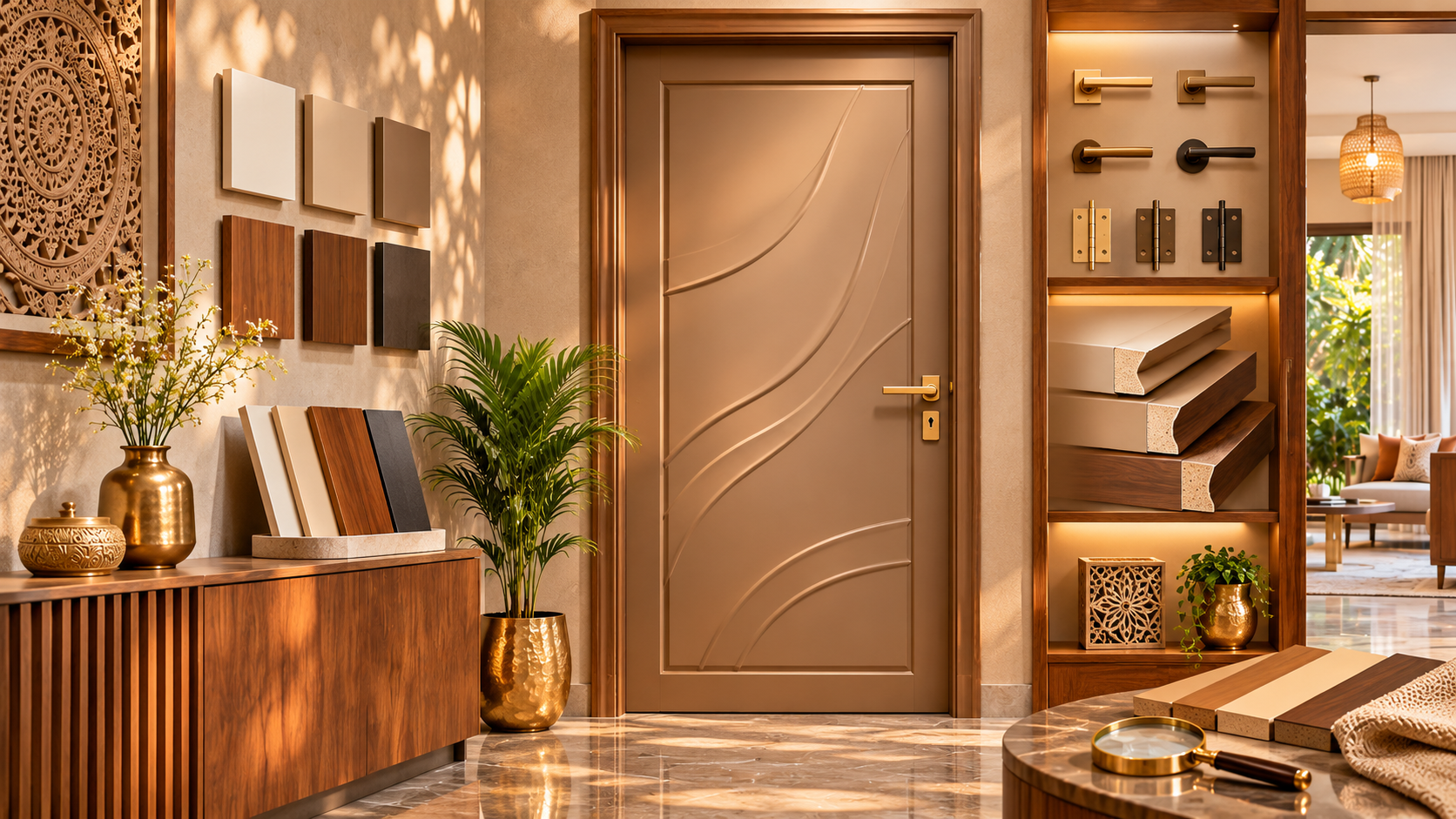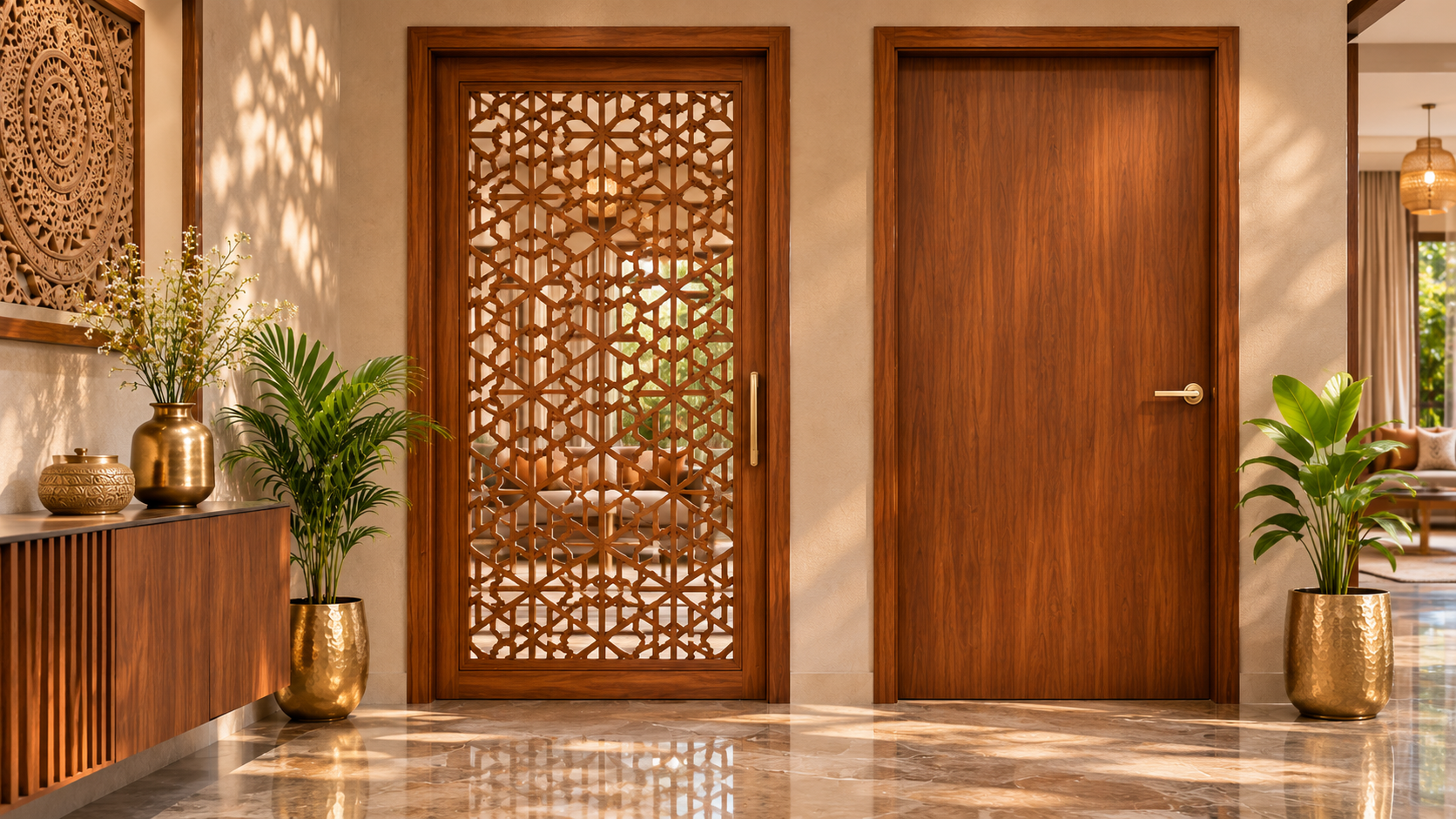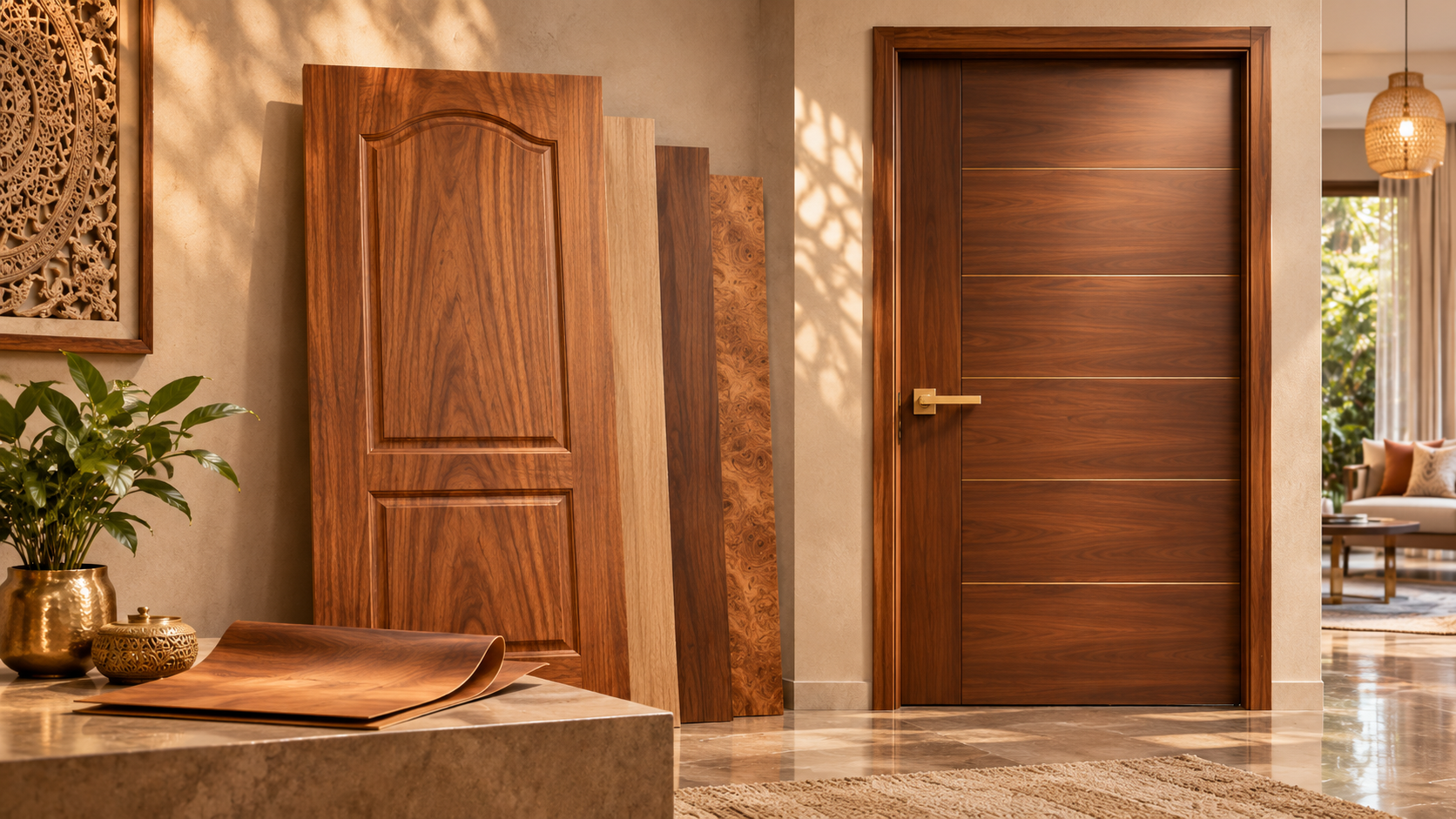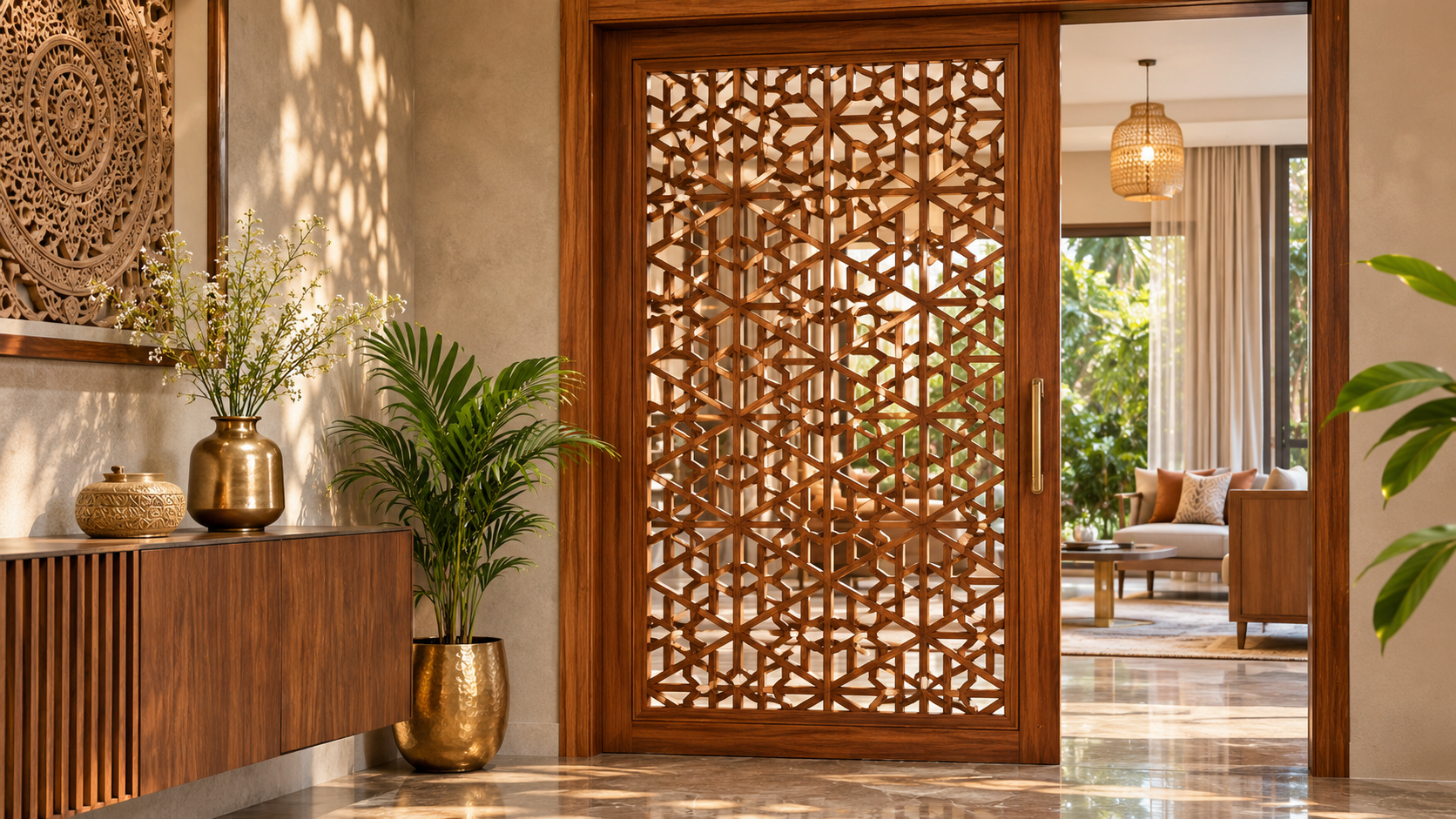
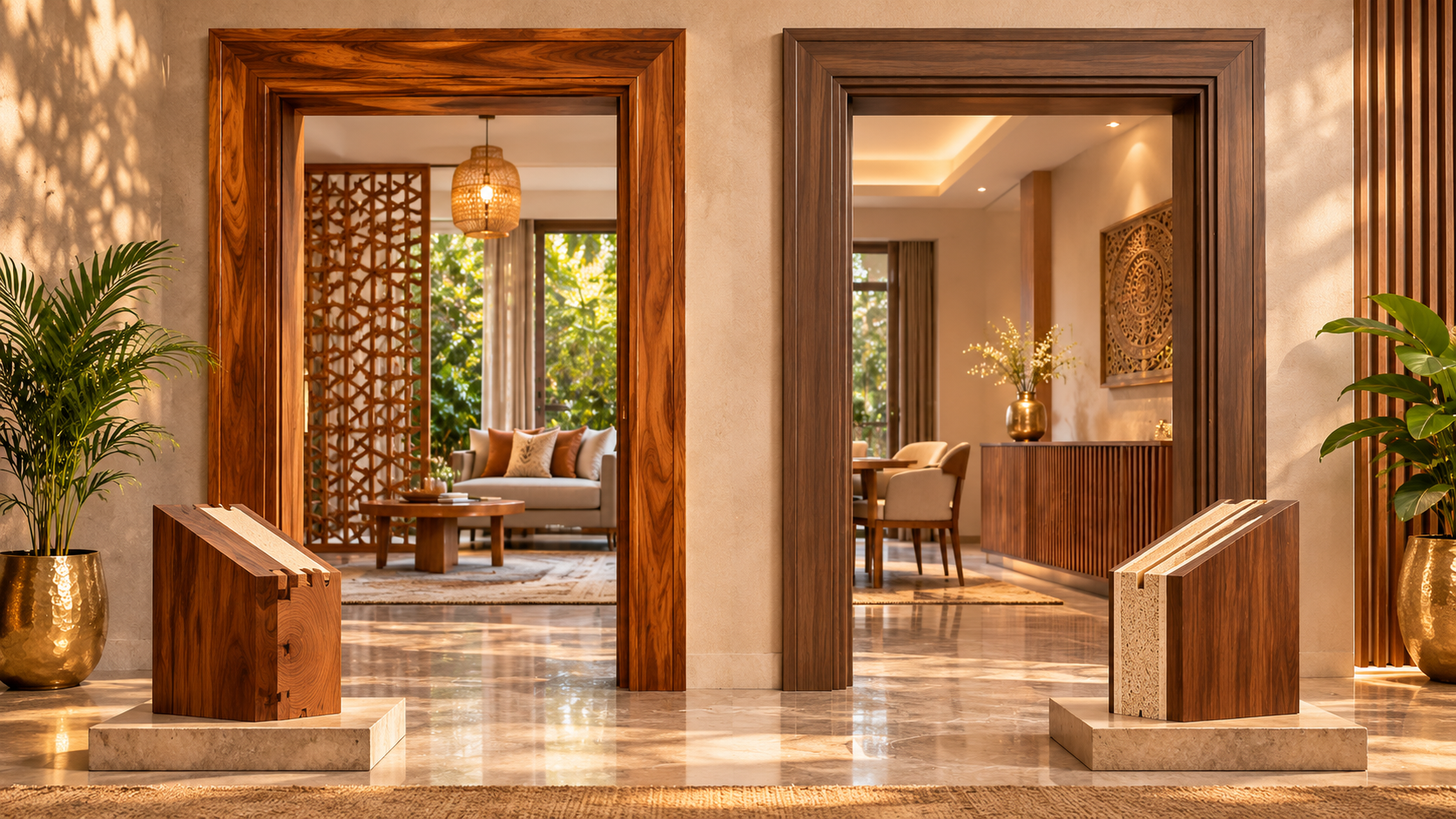
Solid wooden and engineered or laminated wooden frames can both work well when specified correctly. The choice depends on dimensional stability, exposure, fixing needs, finish compatibility and the available installation skill. In this guide, the focus is on decisions that affect the finished project: what the material actually is, when it is suitable, how to compare options and what to check before ordering. These distinctions matter more than choosing a design from a catalogue alone.
Quick answer: what should you choose?
Choose the option that matches the application, expected exposure, structural needs and installation method. For door frame, a promising visual sample is only the beginning: ask for complete specifications, verify site conditions and compare finished rather than headline prices. A well-chosen frame can still fail if it is stored wet, fixed out of square or paired with unsuitable hinges and fasteners.
What should you check before selecting the material?
Start by measuring the actual opening or furniture unit. Note whether the surface is near water, receives direct sunlight or is subjected to frequent handling. Ask the fabricator about the full assembly—its core, facing, edge protection, fasteners and installation sequence. This prevents an attractive surface from being used over an unsuitable base.
How do solid wooden frames differ?
A solid wood frame is made primarily from timber sections. Species, seasoning, grain and workmanship determine stability; poor-quality timber can twist or split even when it looks attractive at installation.
The most durable-looking design is not always the easiest to maintain. Assess where dust collects, which surfaces are frequently handled and whether replacement parts or matching finish material will be available if minor repairs are required.
What is an engineered wooden frame?
Engineered frames use processed or laminated wood components designed for more controlled dimensions. Construction varies by manufacturer, so the term alone does not define strength or water resistance.
Look beyond the first purchase price. The cost of cutting, pressing, edging, hinges, site fitting, maintenance and potential rework affects the installed value. A better-specified material can be a more economical choice for the right application.
Which frame is more dimensionally stable?
Appropriately engineered components can reduce variability, while properly seasoned solid wood can also perform well. Ask about moisture content, assembly method and manufacturing controls rather than assuming all products are equal.
Before approval, ask who will take responsibility for workmanship, post-installation adjustment and any warranty claim. Clear documentation helps separate a manufacturing issue from damage caused by poor installation, leaks or unsuitable use.
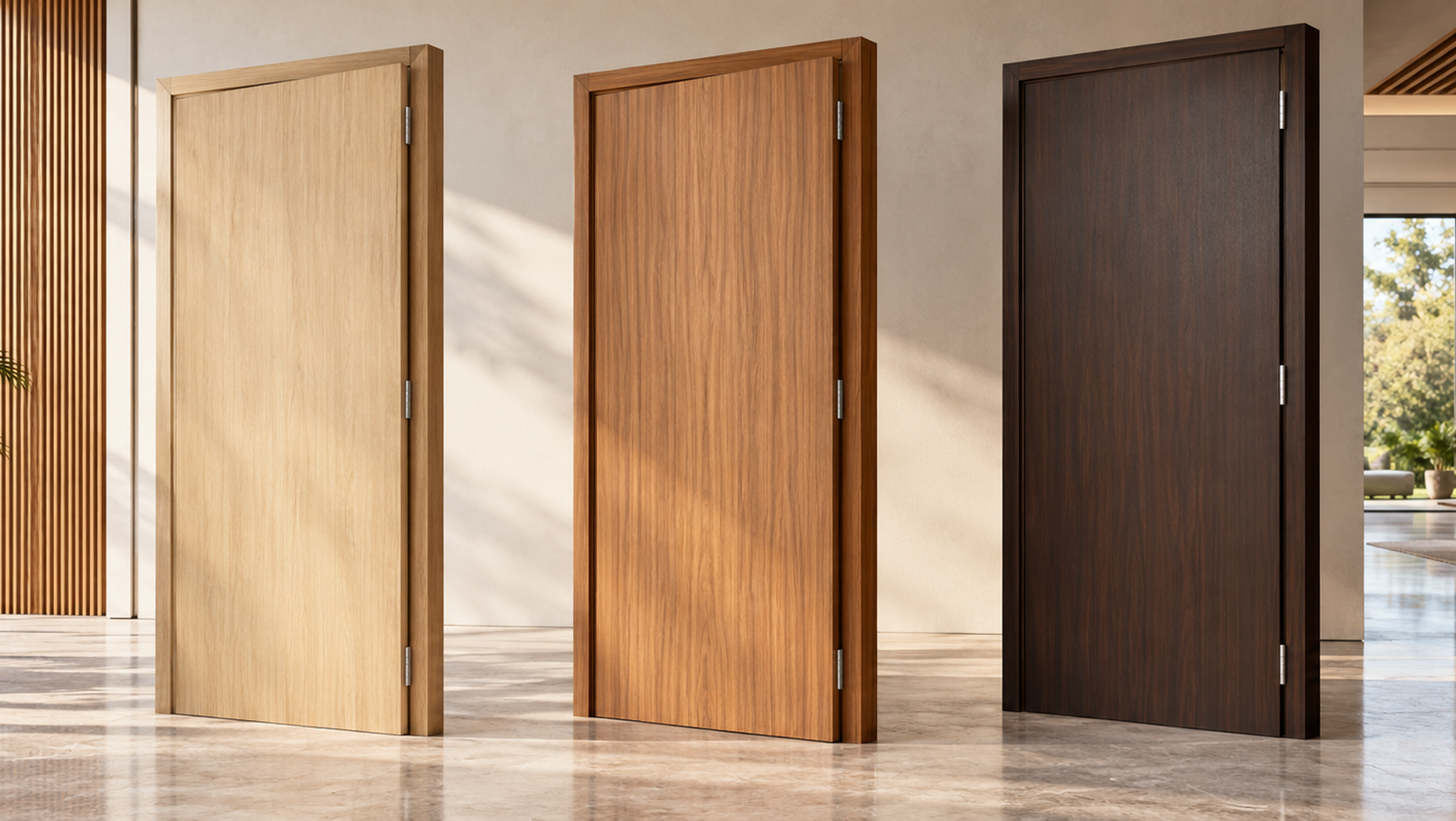
Compare the options within Splice Door Frame & Window and consider the matching Splice Door range.
What happens around bathrooms?
The bottom of the frame and wall junction are vulnerable to repeated wetting. Check room exposure, finish coverage, floor-detail protection and whether the selected frame is approved for that location.
In practice, first make a room-by-room requirement list: who uses the space, how often the surface is touched, whether cleaning involves water, and which details are visible after installation. This gives the supplier a useful basis for recommending an appropriate material rather than simply a popular finish.
How should hinges be fixed?
Fastener selection should suit the frame material and door weight. Specify hinge quantity, screw length and the expected usage cycle; repeated use is often a more demanding test than showroom appearance.
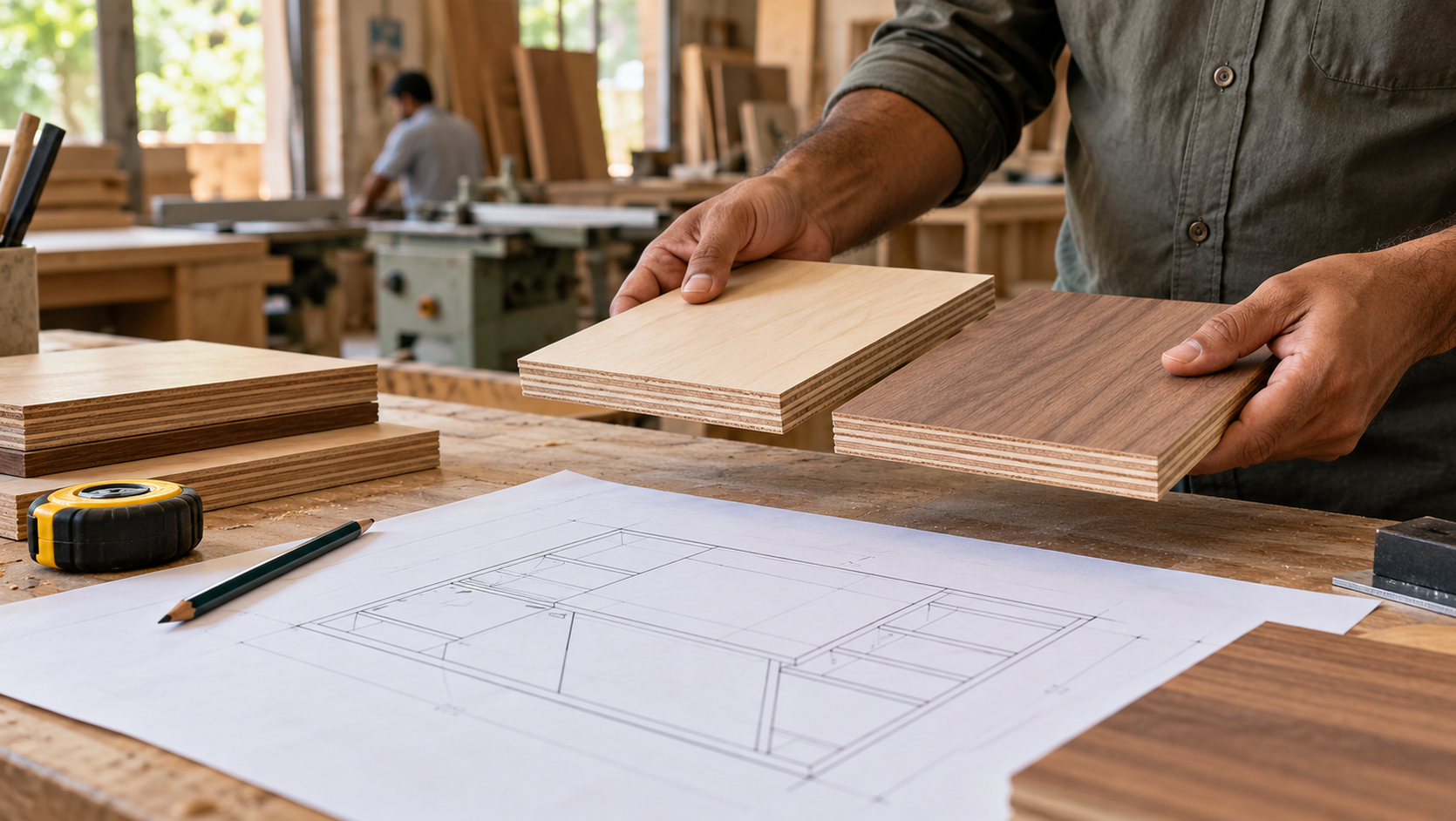
For a realistic comparison, request two alternatives with the same dimensions and intended use. Keep measurements, finishing scope and installation responsibilities identical. When products differ, ask the supplier to identify exactly which component or performance characteristic explains the difference.
What finishes are practical?
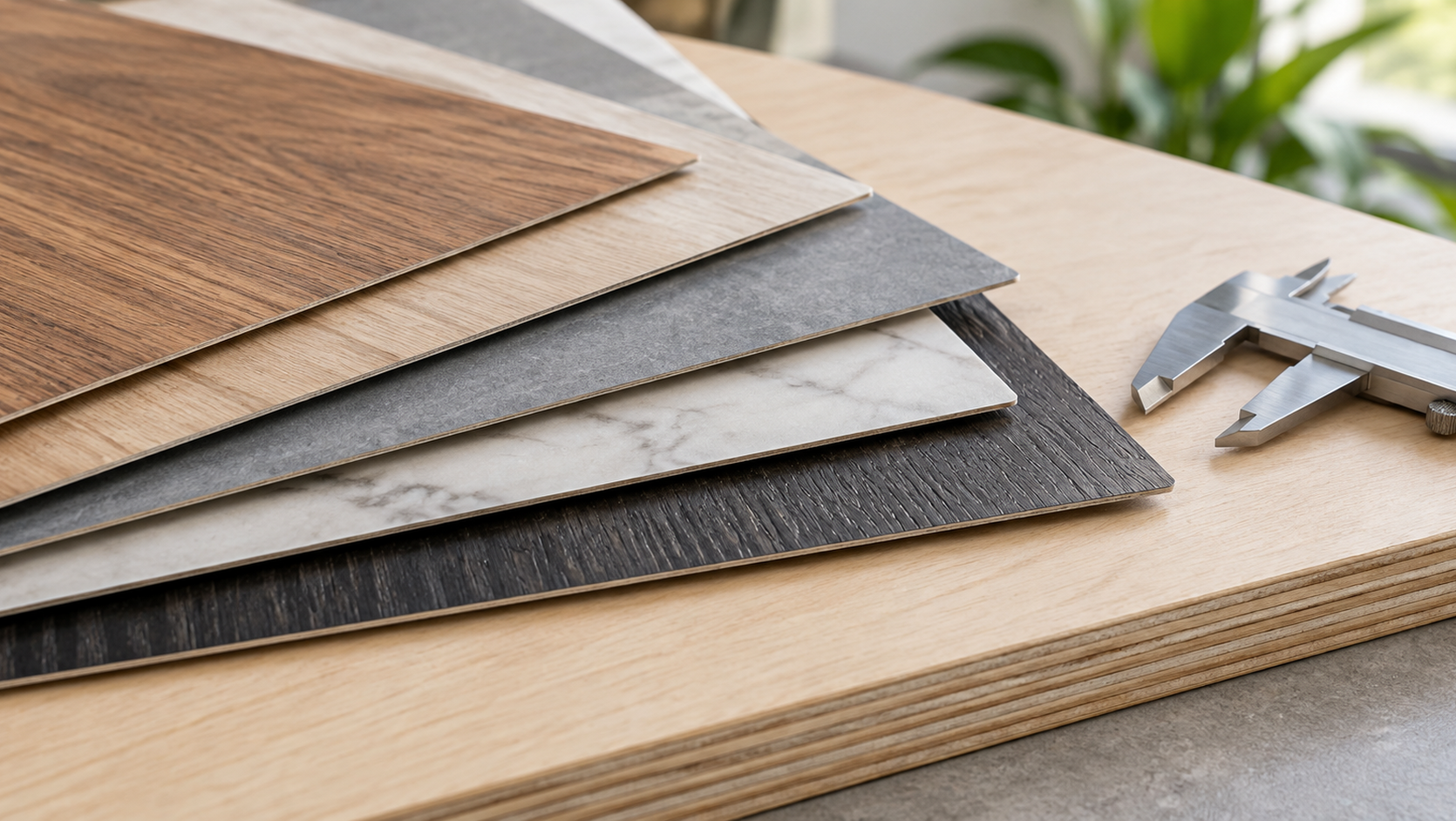
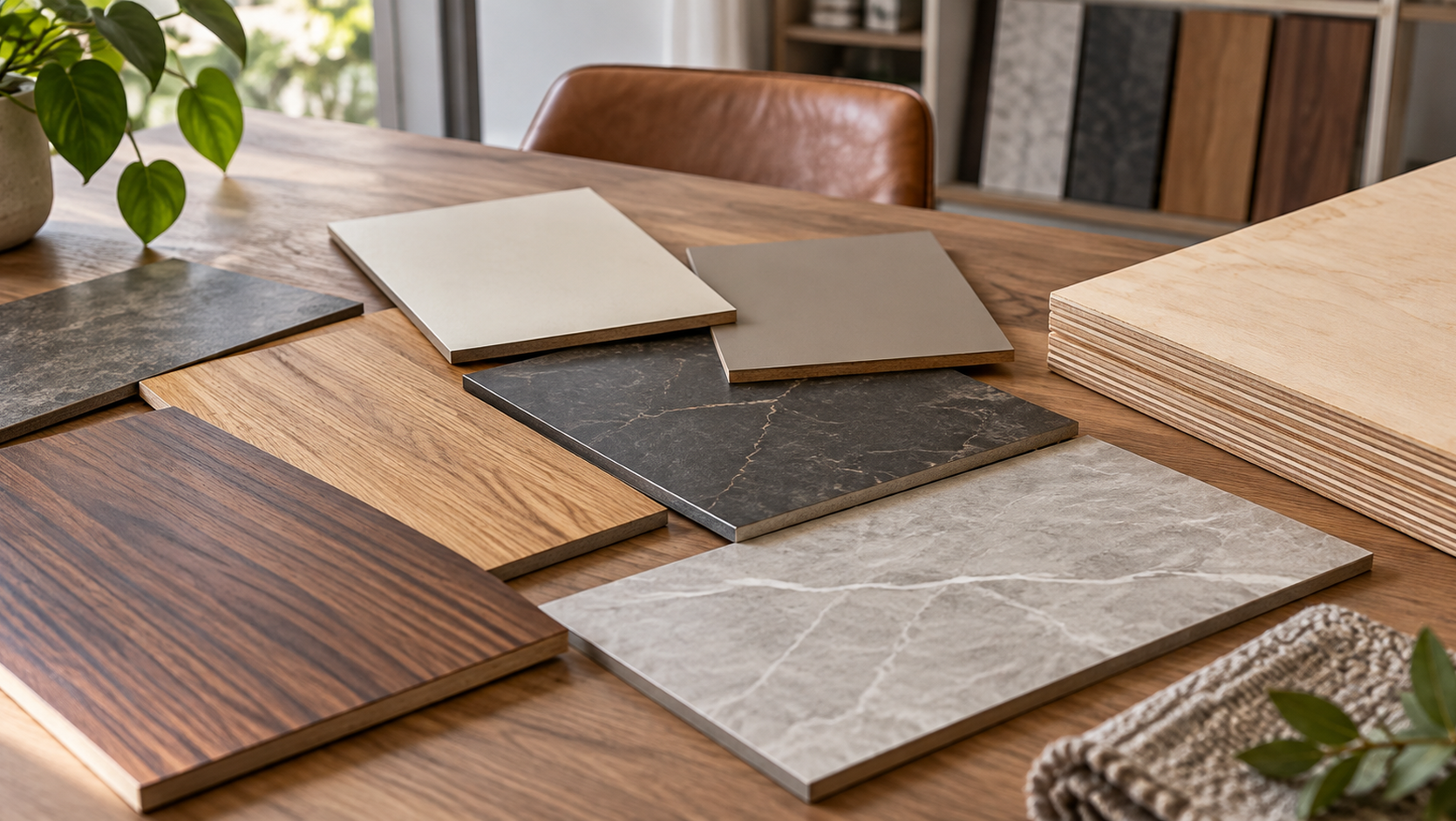
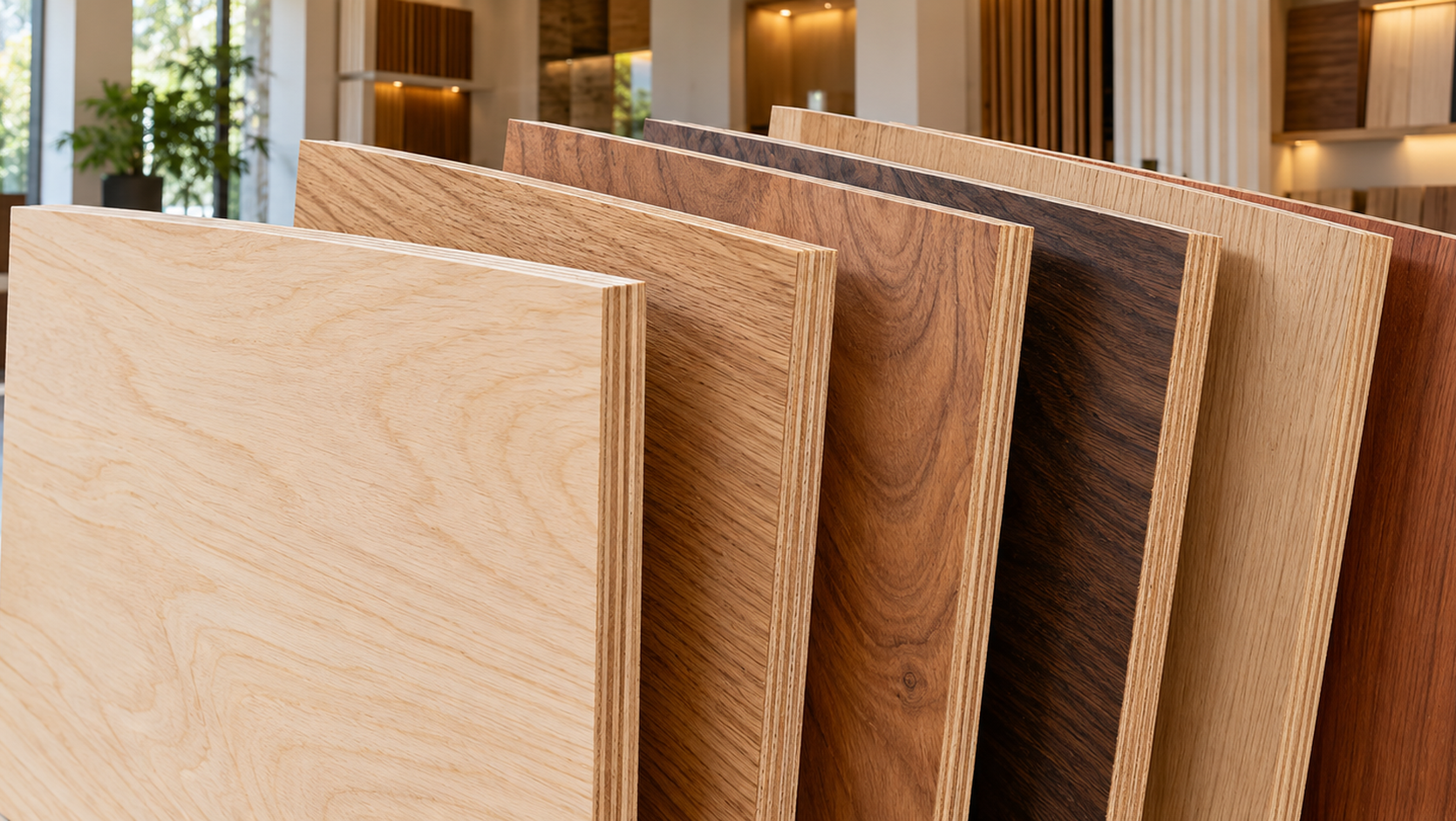
Solid wood can be stained or painted, while engineered frames may accept veneers, laminates or approved coatings. Compare the finished frame against the door shutter under actual room lighting.
A physical sample is particularly useful because online photographs rarely show actual texture depth, edge construction or changing reflections through the day. Place the sample beside existing furniture and inspect it from the distance at which it will normally be viewed.
For related design context, see the existing Splice laminate finish guide when decorative surfaces are involved, or compare the Splice door product family for full door assemblies.
What affects overall cost?
Timber grade, section dimensions, fabrication, finish, wastage and fixing can outweigh the base material price. Include repair and maintenance expectations in long-term cost comparisons.
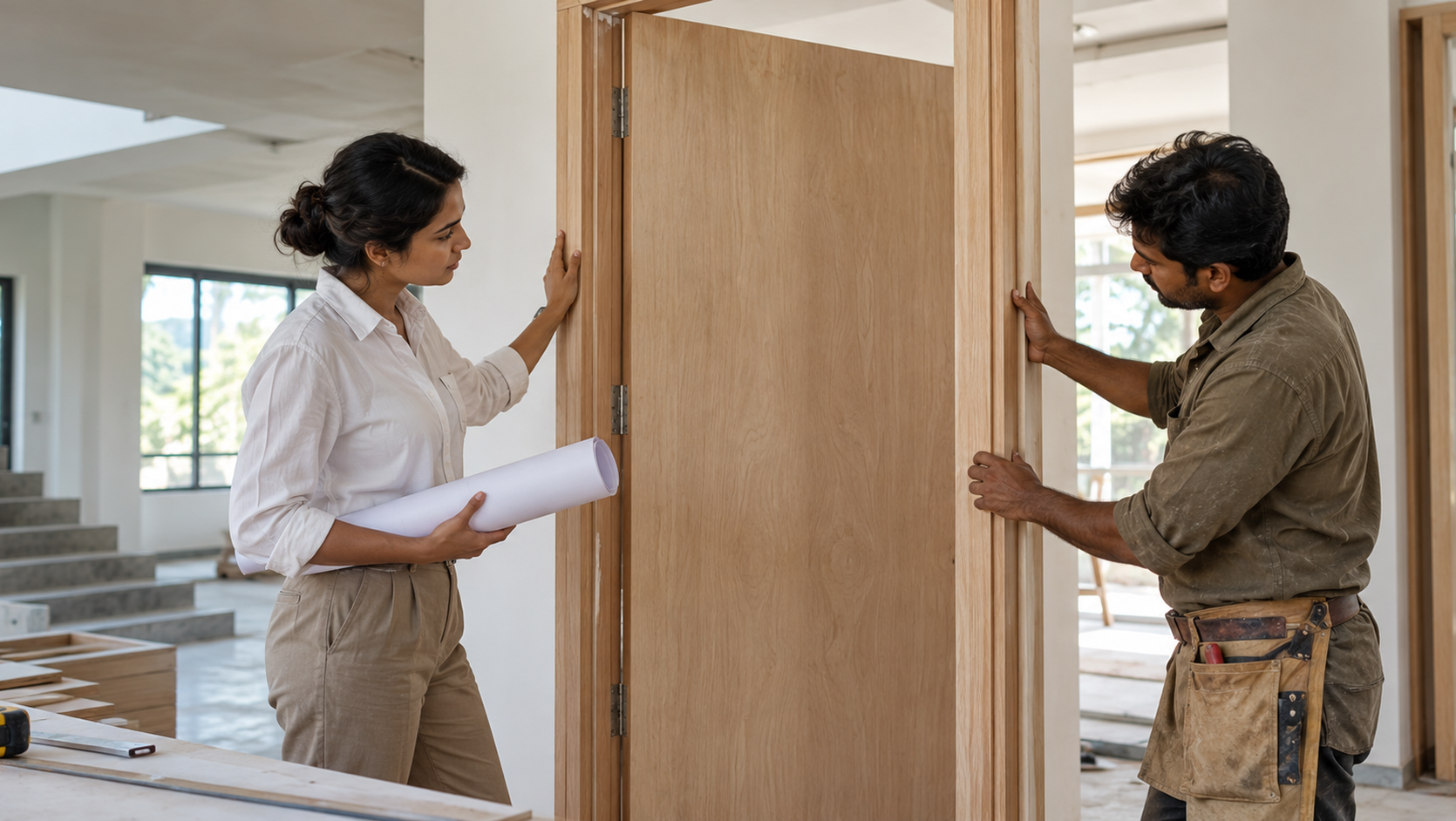
Installation often changes the outcome as much as product selection. Confirm the substrate is sound, the measurements are accurate and the chosen adhesive, fasteners or hardware are compatible. Protect materials from construction moisture and inspect finished edges before handover.
What should be checked on delivery?
Inspect straightness, square corners, consistent section sizes, surface defects and the compatibility of hardware and wall opening. Protect frames from site moisture before fixing.
Keep a record of the final product code, supplier invoice and approved finish sample. If several rooms are being completed in stages, recording the batch and dimensions can make later additions more consistent and reduce preventable mistakes.
Which Splice product is relevant to this project?
Recommended range: Splice Door Frame & Window. Compare the options within Splice Door Frame & Window and consider the matching Splice Door range. The recommendation is based on the type of application discussed here, not a claim that every product variant is appropriate for every location. Confirm grade, available sizes, finish codes and any warranty conditions with Splice before purchase.
Practical checklist before you buy
- Measure the site and record the required finished size, not just the opening.
- Specify the substrate or core, surface finish and edge treatment separately.
- Check moisture exposure, cleaning needs, hardware loads and installation method.
- Compare a physical sample in the room’s actual light.
- Get a written, itemised quote, product identification and care instructions.
- Inspect flatness, edges, finish consistency and fitting at handover.
Frequently asked questions
Are engineered door frames made from MDF?
Some systems use different engineered materials; inspect the actual product specification instead of assuming a single composition.
Should the frame be installed before flooring?
Sequence depends on the wall, floor and threshold design. Coordinate measurements and finished-floor levels with the installer first.
What should I check before ordering?
Confirm the exact material, intended location, dimensions, finish sample, edge details, hardware needs and written product specification. An itemised quote helps prevent mismatched expectations.
Does a premium finish guarantee durability?
No. The core or substrate, moisture protection, construction and installation quality matter alongside the appearance of the surface.
How can I avoid choosing the wrong product?
Show the supplier a site photograph, measurements and the expected usage. Compare physical samples and get any special performance claim in writing.
Final recommendation
The best choice for door frame is the one that performs reliably in its actual location and remains practical to clean, repair and maintain. Compare complete construction and written specifications, not only surface photographs. A well-chosen frame can still fail if it is stored wet, fixed out of square or paired with unsuitable hinges and fasteners. For a coordinated project, discuss the selected Splice product range with an authorised supplier and confirm what the installer will deliver.