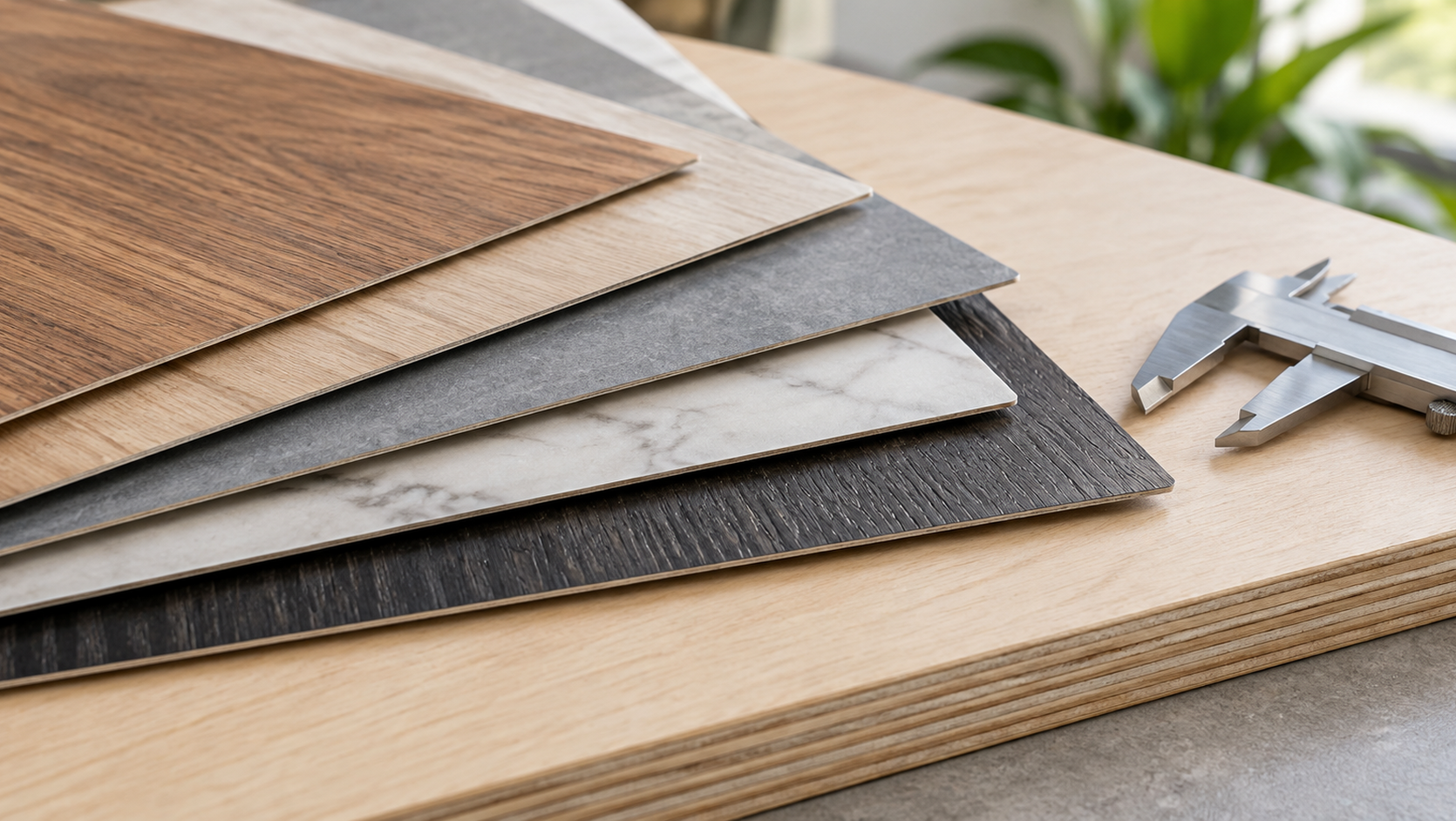
Posted on October 19, 2026
Choose a 1 mm laminate manufacturer by checking the exact design, thickness, physical sample, batch supply, cutting plan and installation method.
When a designer searches for a top 1mm laminate manufacturer in India, the first comparison is usually visual. Which catalogue has the right oak, solid colour or stone effect? Yet the real test comes months later, when the same design has to arrive for a replacement shutter, match the approved sample and bond cleanly to a prepared panel.
“1 mm” is a useful starting description, not a complete specification. It says little about the finish, sheet size, pattern direction, substrate, adhesive or care requirements. A reliable choice begins by recording the exact product and how it will be used. This guide helps homeowners, architects and furniture makers move from a catalogue image to a repeatable furniture finish.
Choose a design code and finish code, then write them down together. A laminate family may offer similar colours in different textures. A photograph of a sample board does not capture the product identity needed for a purchase order. Ask the supplier to label the physical sample with the complete code, nominal thickness and current sheet dimensions.
Compare the sample where the furniture will stand. Daylight can reveal a colour cast that showroom lighting hides. At night, warm LEDs may make a grey woodgrain appear brown or a pale solid look yellow. Place the laminate beside paint, flooring, door finish and countertop samples. If several materials are being ordered separately, this early coordination prevents an expensive discovery after the cabinets are installed.
Splice Ply’s 1 mm laminate range includes wood, stone, solid-colour and other design directions. Use the range to identify candidates, then request physical samples and current availability for the exact finish you prefer. The website is a guide to options, not a substitute for the product code and sample approval.
A decorative laminate is normally bonded to a substrate such as suitable plywood or another specified board. The panel’s flatness, moisture condition and preparation influence the finished surface. Discuss the base material with the fabricator before ordering the face sheet. A premium laminate cannot hide an uneven base, poor adhesive coverage or badly finished edges.
Ask whether the workshop has experience pressing the selected product and whether the manufacturer recommends a particular method. Record how both faces of a large shutter will be finished. Unbalanced construction can contribute to warping; the solution depends on the full design, not on a generic instruction to paste “something” to the reverse. Check the edge-band or lipping specification at the same time.
For wet-prone rooms, plan the substrate and exposed edges carefully. A decorative face may resist normal wiping while a cut-out beside a sink allows water to reach the board underneath. For heat-prone areas, do not assume that an attractive laminate tolerates direct contact with hot cookware. Follow the manufacturer’s product-specific care advice and detail the furniture for the actual location.
Request the current sheet size for the selected design. A nominal 1 mm thickness does not tell you whether a tall wardrobe shutter can be cut with the desired grain direction from one sheet. Draw the intended panels on the available sheet size, allowing for trimming and the workshop’s cutting method. This is more reliable than dividing total panel area by sheet area.
Woodgrain and linear patterns often have an obvious direction. If several shutters sit next to one another, decide whether the grain must align or continue across them. That choice can increase waste but improve the appearance substantially. Mark an arrow on the panel schedule and on the approved sample. If the installer reverses one panel, the error may be impossible to hide once the edging is complete.
For solid colours, check colour consistency across sheets and deliveries. If the project is large, ask whether all material can come from one batch or closely controlled production. For a future repair, keep the exact code and a dated physical sample. Even if a design name remains in the catalogue, surface gloss or colour can appear different under the same room light after a later production run.
The manufacturer should be able to identify the product, its intended uses, dimensions, technical information and care guidance. The supplier should tell you whether it is in stock, how many sheets can be delivered together, and what happens if one arrives damaged. In practice these conversations may go through one dealer, but the responsibilities are different.
Ask for the complete product code on the quotation and invoice. Request a realistic delivery date and the process for obtaining a replacement sheet. If the design is a special-order finish, agree whether a spare sheet is prudent. A busy kitchen or hotel fit-out may justify a spare; a small wardrobe with an easily available standard design may not. Keep any spare flat, dry and labelled.
Warranty claims need similar care. Read what is covered, what preparation and installation are required, and who receives a complaint. A surface warranty may not cover damage from an unsuitable substrate, standing water, excessive heat or abrasive cleaning. Written terms are more useful than a showroom promise of “lifetime quality.”
Run a normal fingertip across textured and smooth samples, then look at them under side light. Which shows fingerprints? Which shows minor scuffs? Try the cleaning method recommended for the product on a sample, if the supplier permits it. Do not scrape or soak a swatch and call the result a formal durability test. The aim is to see what the family will live with every day.
In a wardrobe, the inside face and exposed edges deserve attention because the door is opened often. In a kitchen, look near the handle and appliance zones. In a retail setting, consider repeated customer contact and the ease of replacing a damaged face. The “best” finish changes with the place and people using it.
Before placing the purchase order, confirm:
1. The complete design and finish code on a labelled physical sample.
2. The nominal thickness and actual sheet dimensions for that code.
3. The approved substrate, adhesive and pressing method.
4. Grain direction, panel sequence and the sheet-by-sheet cutting plan.
5. Edge treatment, reverse-face treatment and exposed cut-outs.
6. Quantity, batch availability, delivery date and spare-sheet decision.
7. Care information and the written complaint or warranty process.
Give the same information to the fabricator, supplier and person accepting delivery. A paper trail may feel dull beside choosing colours, but it is what keeps the finished kitchen or wardrobe consistent when several teams touch the project.
At receipt, count sheets before signing for the delivery. Compare a corner of each bundle with the approved physical sample, keeping protective films or packaging intact until the workshop is ready. Photograph any surface mark or crushed edge while the material is still uncut. If an error is found after pressing, the replacement may require rebuilding the whole panel, not simply exchanging a sheet. Clear acceptance at the door is quicker and less contentious for everyone.
The final installation should be compared with the approved sample, not a memory of the showroom display. Inspect adjacent shutters in the room’s actual light before hardware and trim make replacement difficult. Check edge finish and grain direction as well as face colour. If a substitute is necessary, approve a fresh sample and update the drawing before fabrication.
A top 1 mm laminate manufacturer for your project is one that can supply a suitable, documented design consistently, while the workshop can install it correctly. Start with the Splice 1 mm laminate collection if it fits your design, then confirm the exact code and supply plan with the dealer. That turns a good-looking swatch into a finish you can specify with confidence.
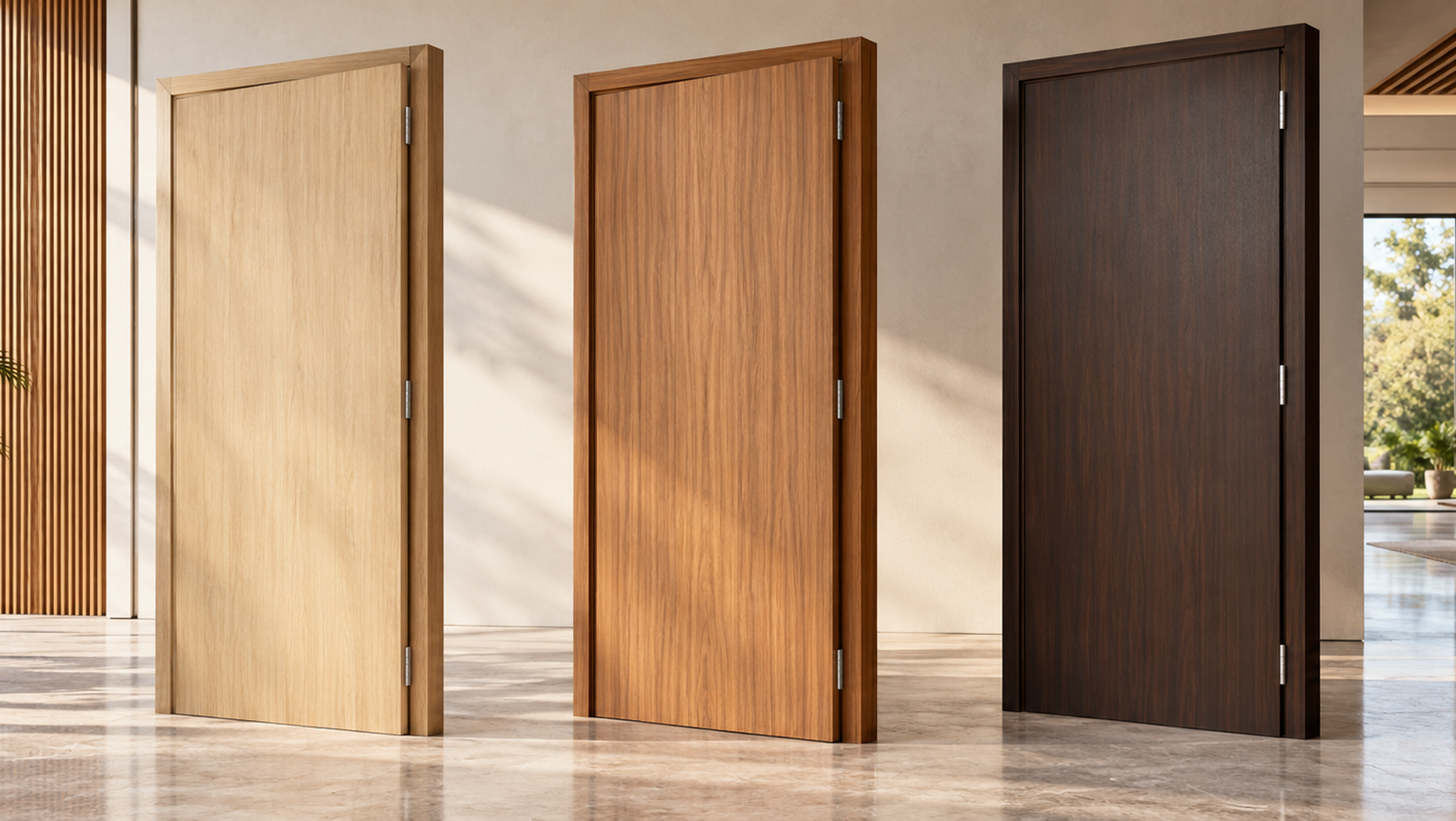 Top 10 Flush Door Manufacturers in India to Put on Your Shortlist
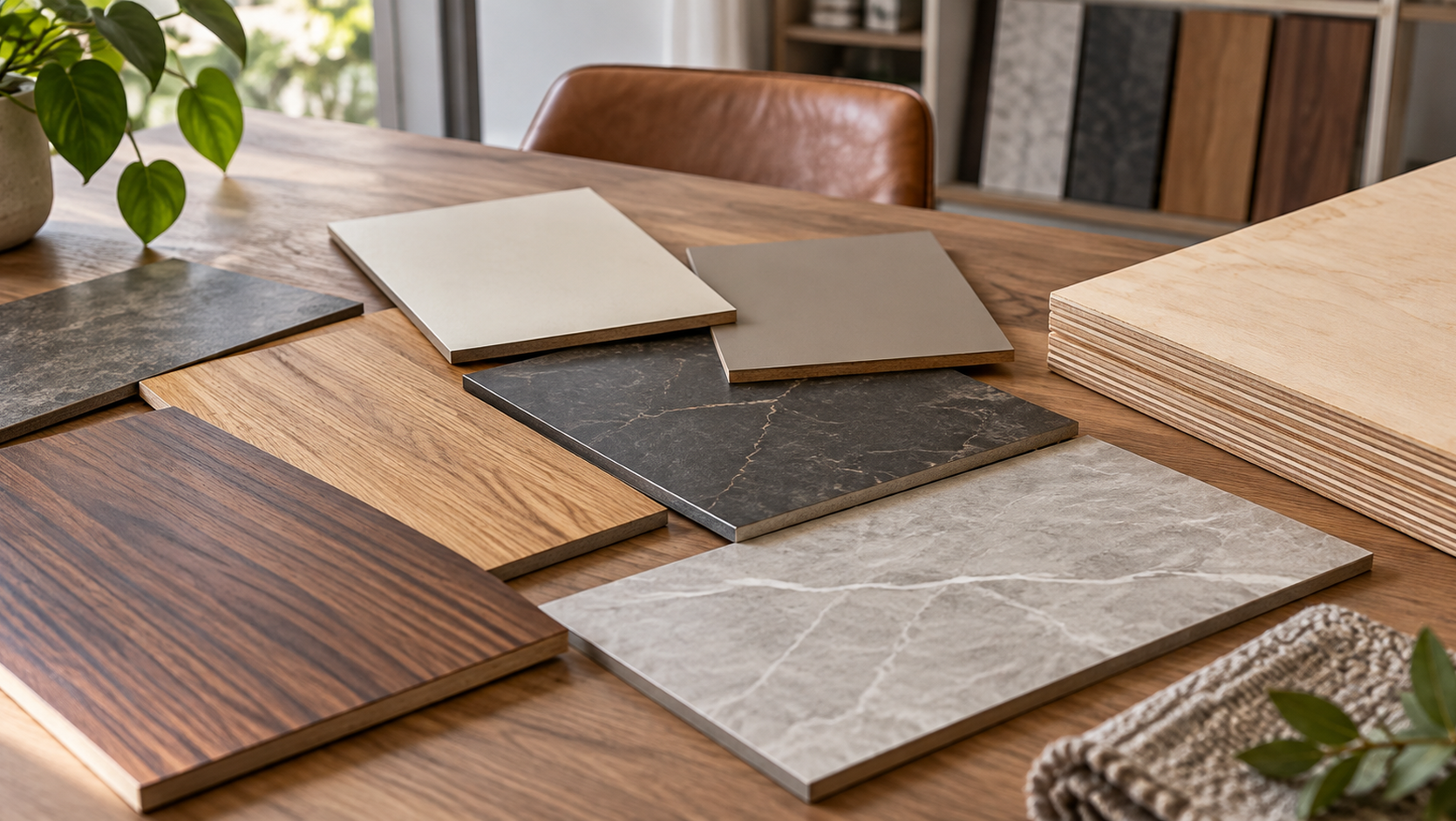 How to Compare a Laminate Manufacturer and Supplier in India
 Choosing a Top Door Manufacturer in India Starts with the Door Schedule
 How to Choose a Top Plywood Manufacturer in India for a Real Project
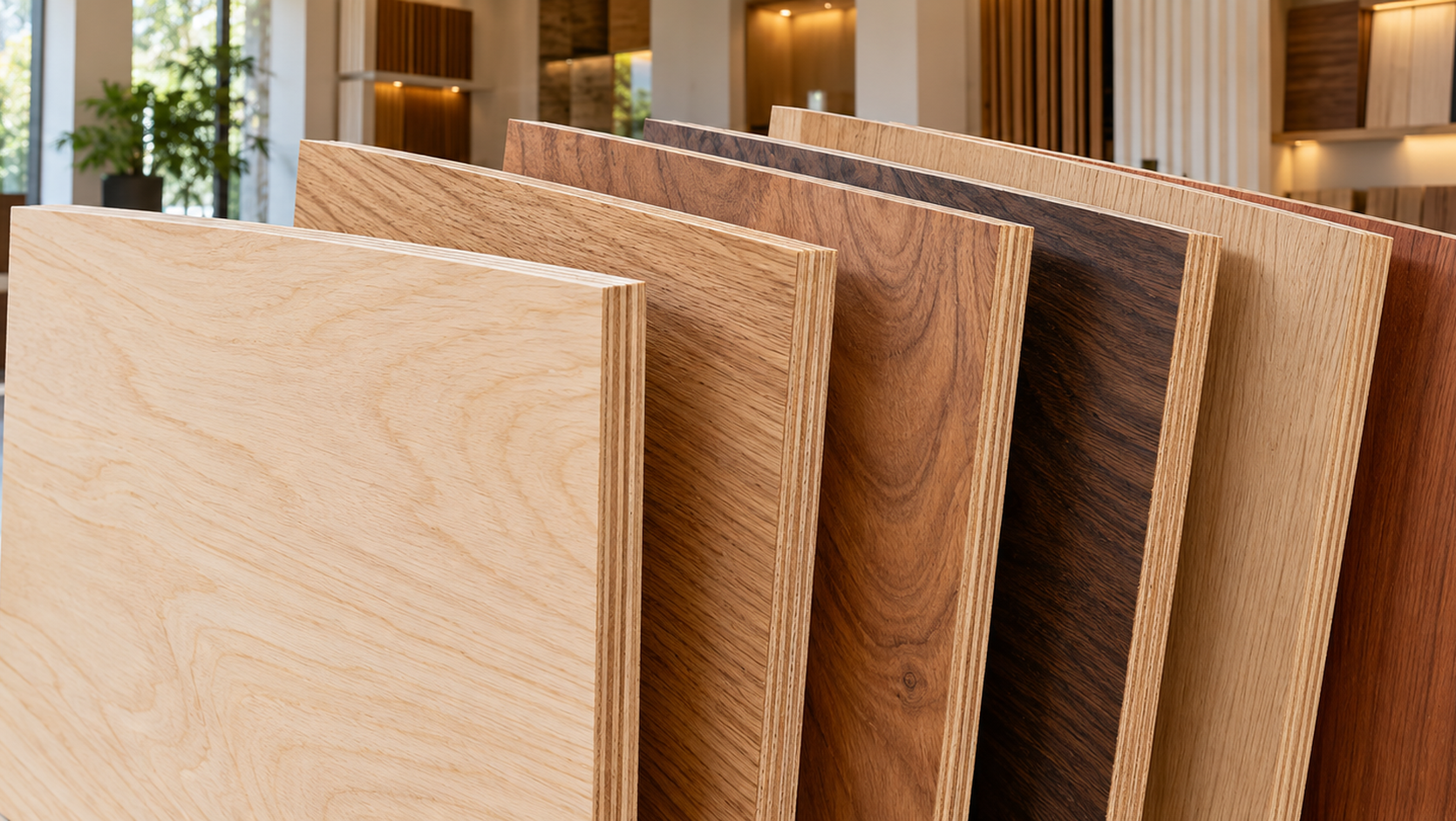 Top 10 Plywood Companies in India to Research Before You Buy
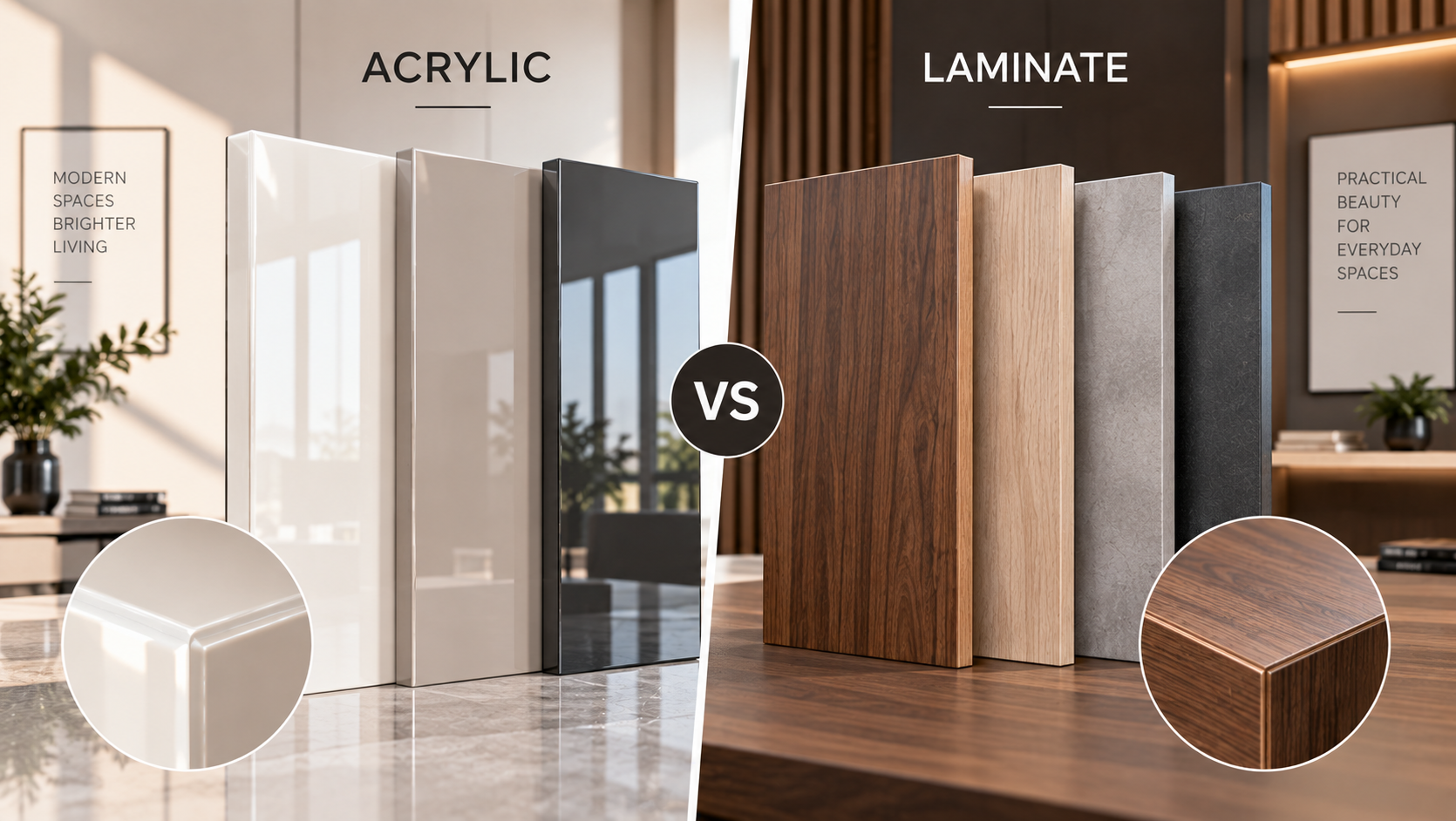 Acrylic vs Laminate: Cost, Finish, Durability and Best Uses
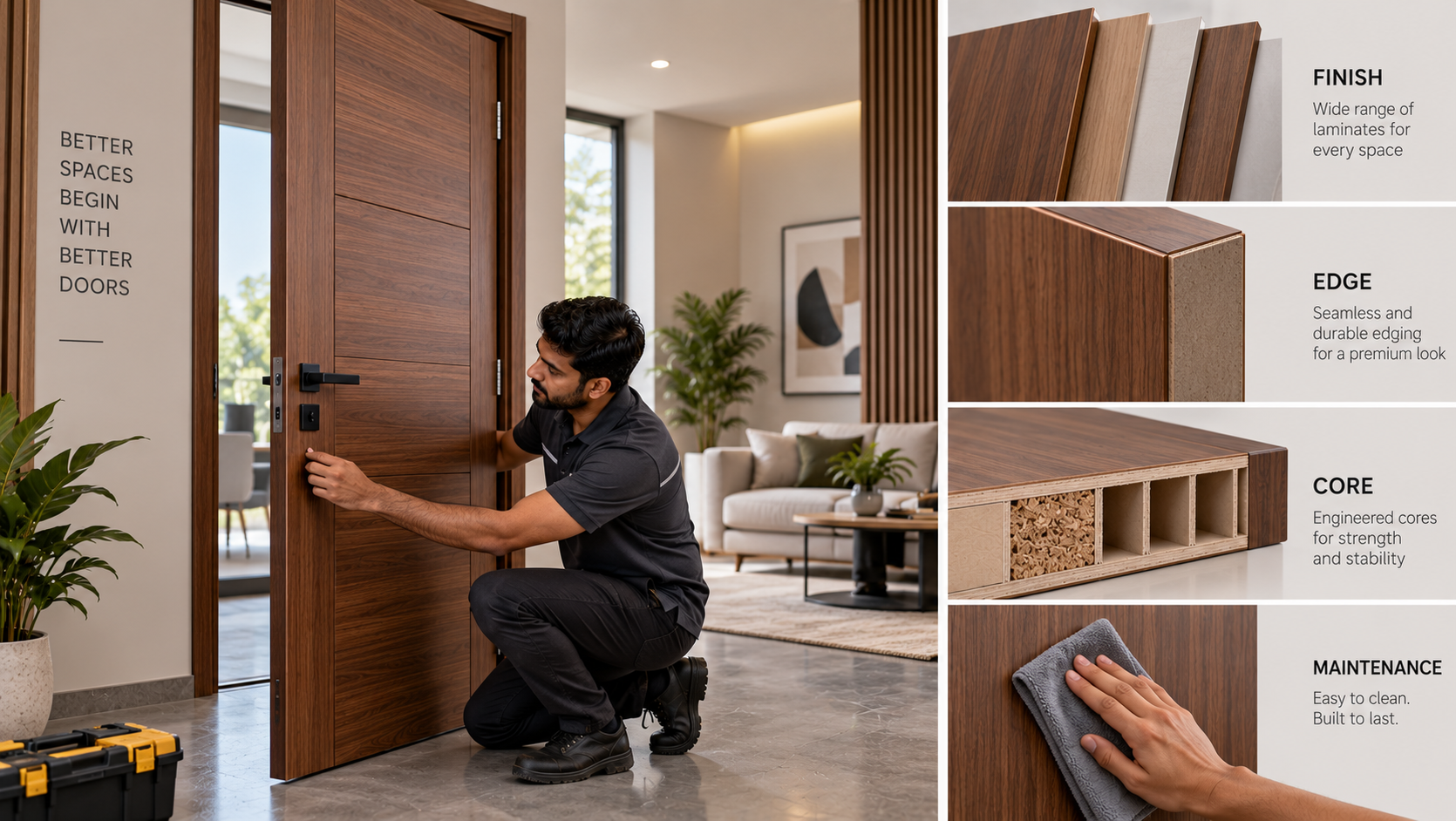 Modern Laminated Doors: Finish, Edge, Core and Maintenance Checklist
.png) Ply Manufacturer in India: Factory, Testing and Product Quality Checklist
 Door Manufacturer in India: Questions Architects and Builders Should Ask Before Ordering
.png) Calibrated Plywood Thickness Tolerance for CNC and Modular Furniture