Posted on July 8, 2025
Learn what flexible plywood is, its uses, thickness options & benefits. Ideal for curved furniture, interiors, and modern design applications.
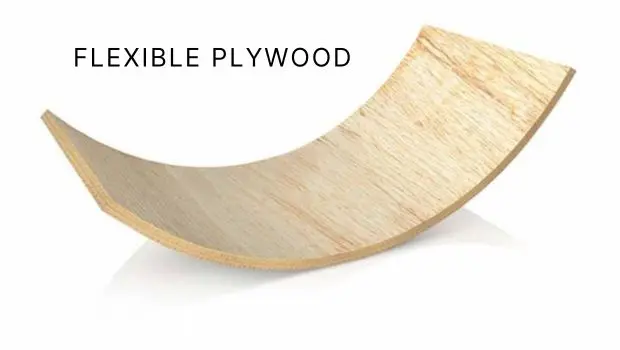
Flexible plywood, often referred to as flexi ply, is a specially engineered type of plywood made from softer wood species. Unlike traditional plywood, its defining characteristic is its ability to bend and take shape easily without cracking or breaking. This makes it a highly versatile material, especially in modern interior design and furniture manufacturing.
Flexi plywood is widely used in applications where curved surfaces or unique shapes are required. Its adaptability allows designers and architects to experiment with creative forms that would be difficult to achieve with standard plywood.
The key reason flexible plywood stands out is its bendability. This property comes from the way it is manufactured—using specific grain orientations and softer wood layers that allow the board to flex along one direction.
Because of this, flexible plywood is especially useful in:
If you’re comparing materials, you may also want to explore differences in types of plywood to understand where flexi ply fits best.
Flexible plywood is available in various thicknesses, typically ranging from 3mm to 16mm. The thickness directly impacts its bending ability:
Choosing the right thickness depends on your design requirements. For projects requiring sharp curves, thinner sheets are preferred, while thicker sheets are better for structural applications.
For moisture-prone applications, it’s worth comparing with marine plywood for wet areas.
Flexible plywood is widely used across residential, commercial, and industrial applications due to its adaptability and aesthetic appeal.
Used to create curved sofas, chairs, and custom furniture pieces.
Ideal for wall panels, partitions, and decorative installations.
Helps achieve smooth curves and unique architectural designs.
Used in modular designs where curved edges enhance visual appeal.
Common in exhibition booths and retail displays for creative layouts.
Applied in seating structures and specialized industrial designs.
If you’re working on modular setups, you can also explore calibrated plywood for precision furniture.
Flexible plywood offers several practical and design advantages:
For design comparisons, check out laminate vs acrylic finishes to pair the right surface with flexi ply.
One of the most popular uses of flexible plywood is in decorative veneer work. Since it bends easily, it acts as a perfect base material for applying wood veneers. This results in elegant, seamless curved surfaces that enhance the overall aesthetic of interiors.
From luxury interiors to modern minimal designs, flexible plywood helps achieve a premium finish with greater design freedom.
Flexible plywood is a game-changer in modern interior design and furniture manufacturing. Its ability to bend, combined with its versatility and ease of use, makes it an essential material for creative and functional applications. Whether you're designing curved furniture, decorative panels, or architectural elements, flexi plywood offers unmatched flexibility and efficiency.
Choosing the right thickness and understanding its applications can help you make the most of this innovative material in your projects.
For expert guidance and the right flexible plywood for your needs, call us today—we’re here to help you make the best choice.
Please contact:- +91-9821437344
 How to Choose a 1 mm Laminate Manufacturer in India for Repeatable Results
 Top 10 Flush Door Manufacturers in India to Put on Your Shortlist
 How to Compare a Laminate Manufacturer and Supplier in India
 Choosing a Top Door Manufacturer in India Starts with the Door Schedule
 How to Choose a Top Plywood Manufacturer in India for a Real Project
 Top 10 Plywood Companies in India to Research Before You Buy
 Acrylic vs Laminate: Cost, Finish, Durability and Best Uses
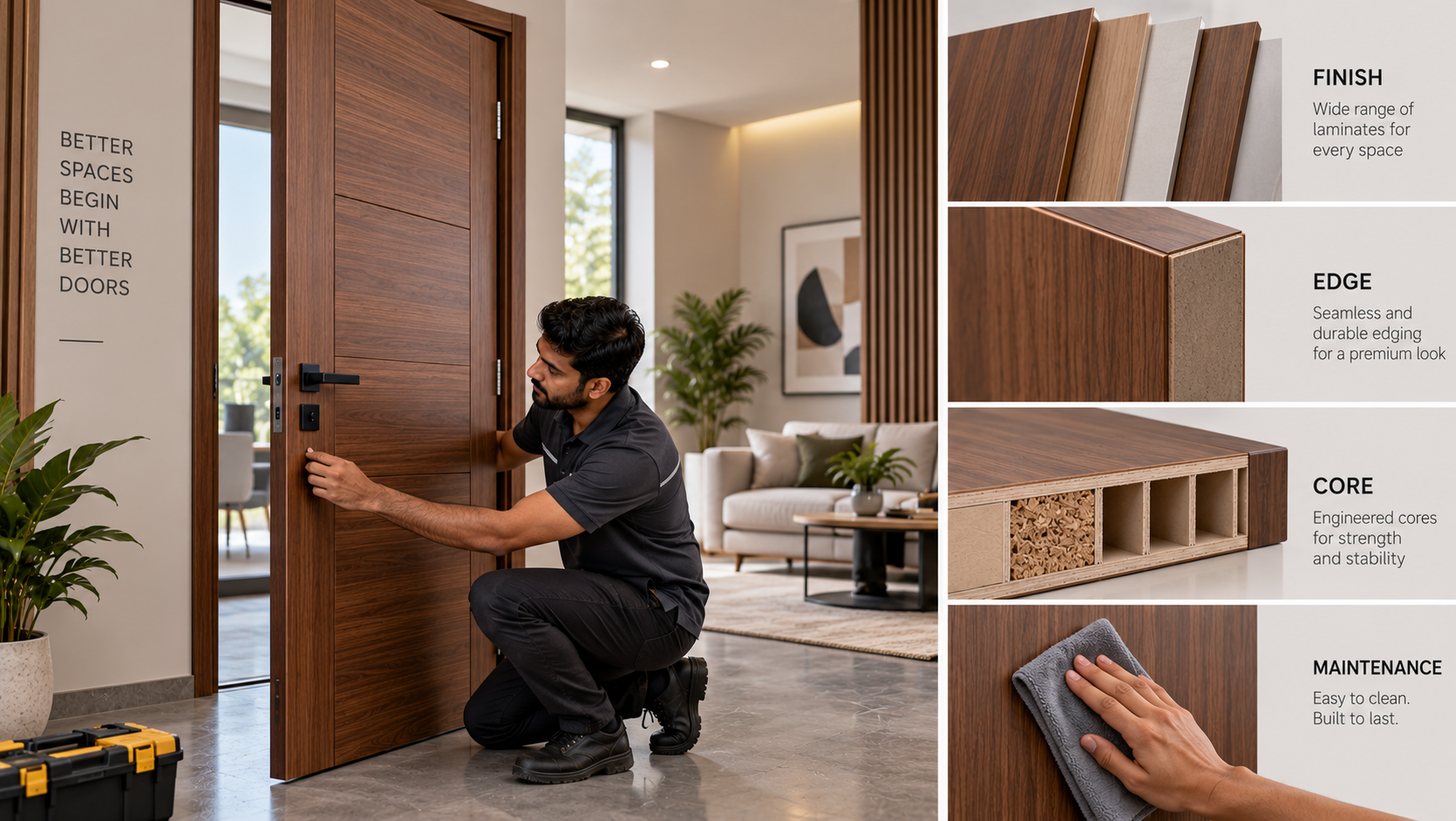 Modern Laminated Doors: Finish, Edge, Core and Maintenance Checklist
.png) Ply Manufacturer in India: Factory, Testing and Product Quality Checklist
Ply Manufacturer in India: Factory, Testing and Product Quality Checklist Door Manufacturer in India: Questions Architects and Builders Should Ask Before Ordering