Posted on July 8, 2025
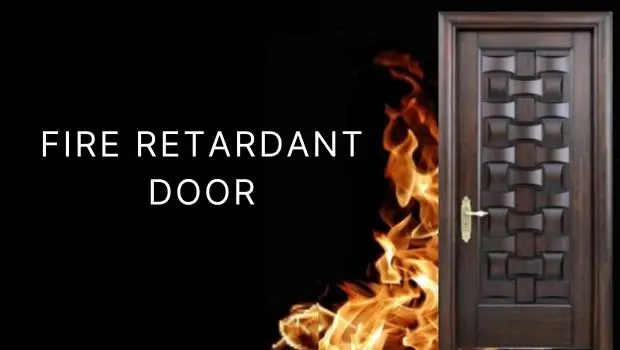
Learn about fire retardant doors, their features, uses & benefits. Discover how they enhance safety in homes, commercial spaces, and modern buildings.
Fire safety is a critical aspect of modern construction, whether in residential buildings or large commercial spaces. Among the many safety components used in buildings, fire retardant doors play a vital role in preventing the spread of fire and protecting occupants during emergencies.
Unlike standard doors, fire retardant doors are specifically engineered to act as barriers against fire and smoke. In the event of a fire, these doors help contain flames within a confined area, allowing more time for evacuation and reducing potential damage to property.
Fire retardant doors, also known as fire-rated doors, are specially designed doors that can withstand fire for a specified period—typically ranging from 20 minutes to several hours depending on their rating.
These doors are constructed using materials such as treated wood, metal, or composite cores, combined with fire-resistant adhesives and insulation layers. Their primary function is to delay the spread of fire and smoke between different sections of a building.
Fire doors are designed to perform multiple critical functions, especially during emergencies:
Due to their importance in safety, fire retardant doors are widely used across various sectors:
In many cases, building regulations mandate the use of fire-rated doors in specific areas such as staircases, corridors, and emergency exits.
When selecting a fire door, several factors should be considered to ensure performance and reliability:
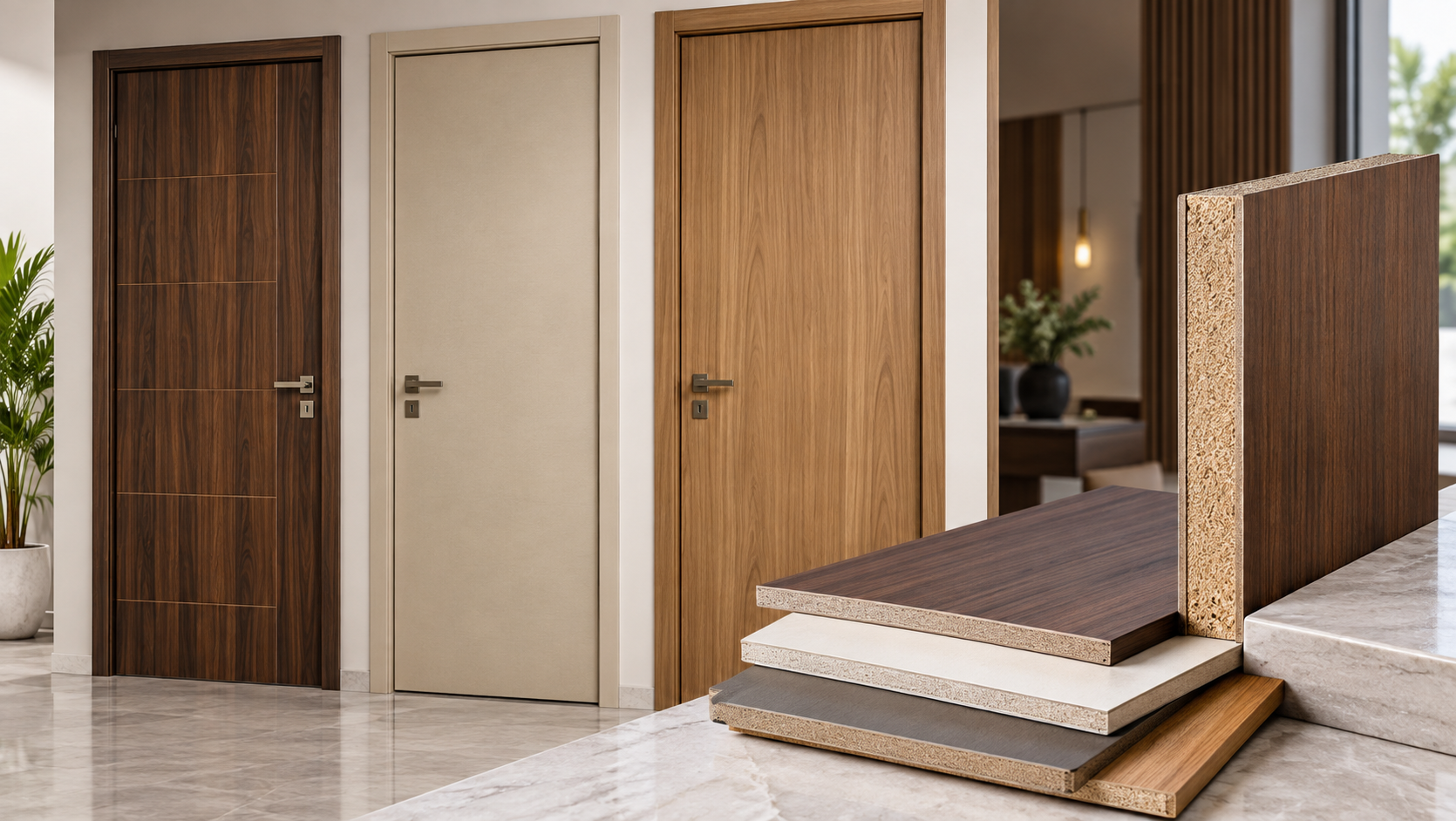
Modern fire doors are no longer purely functional—they are designed to integrate seamlessly with contemporary interiors.
Fire doors have evolved significantly over time. Today, they are designed not only for safety but also for compatibility with modern infrastructure. Advanced fire doors can support:
This evolution makes them suitable for smart buildings and high-performance environments.
Splice Fire Retardant doors are designed to meet the demands of modern construction while ensuring reliable fire protection. Built to act as effective fire and smoke barriers, these doors are suitable for high-risk and high-traffic environments.
They offer a combination of performance and design with features such as:
These doors are well-suited for applications such as high-rise buildings, commercial complexes, industrial units, and public infrastructure where safety standards are critical.
Fire retardant doors are an essential component of building safety, helping to protect lives and reduce damage during fire incidents. Their ability to contain fire, control smoke, and provide safe evacuation makes them a crucial investment for any structure.
With advancements in design and technology, fire doors now offer both safety and aesthetic value. Choosing the right fire door ensures not only compliance with safety regulations but also long-term reliability and peace of mind.
For expert guidance and the right fire retardant doors for your needs, call us today—we’re here to help you make the best choice.
Please contact:- +91-9821437344
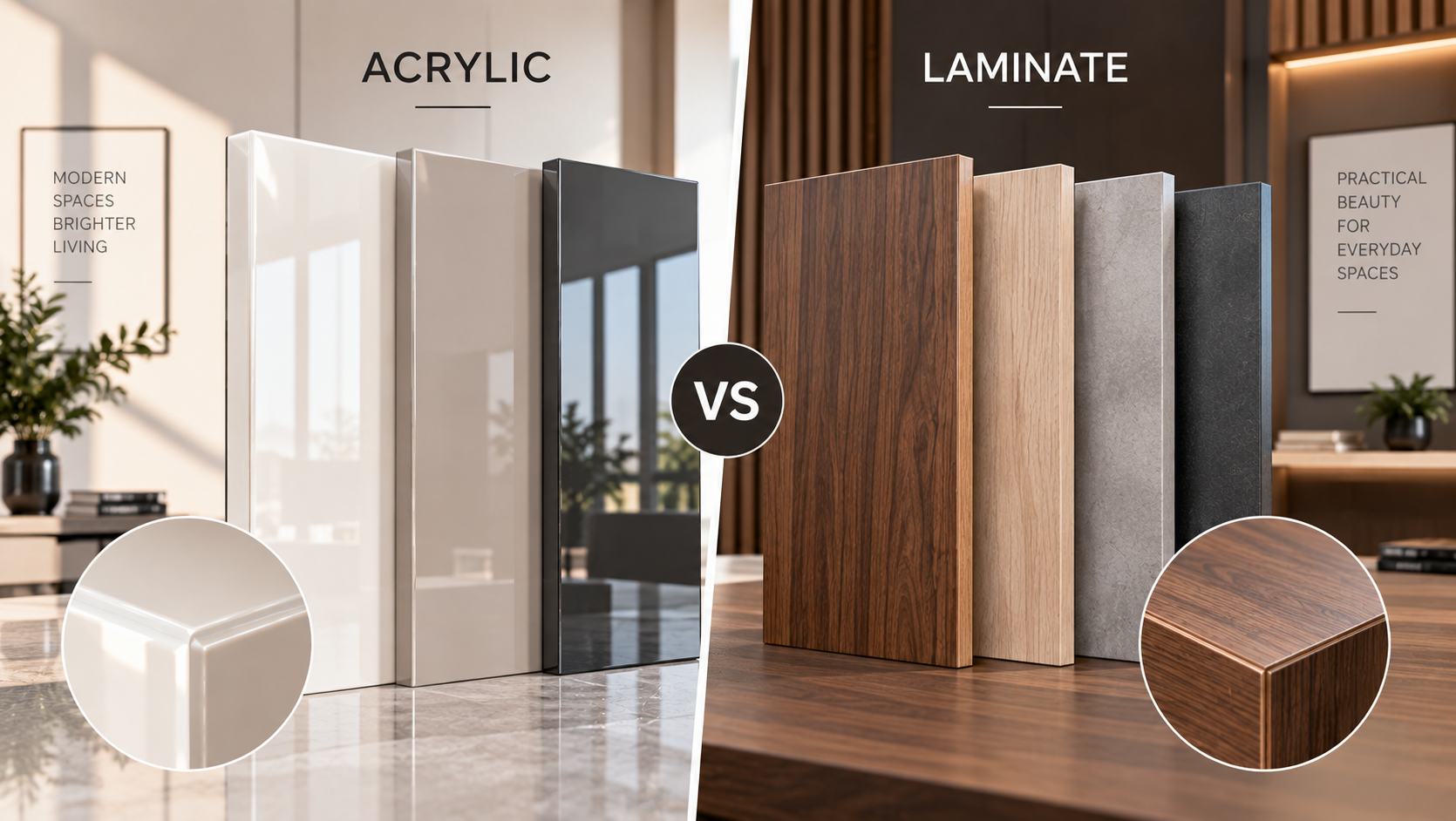 Acrylic vs Laminate: Cost, Finish, Durability and Best Uses
 Modern Laminated Doors: Finish, Edge, Core and Maintenance Checklist
.png) Ply Manufacturer in India: Factory, Testing and Product Quality Checklist
Ply Manufacturer in India: Factory, Testing and Product Quality Checklist Door Manufacturer in India: Questions Architects and Builders Should Ask Before Ordering
.png) Calibrated Plywood Thickness Tolerance for CNC and Modular Furniture
Calibrated Plywood Thickness Tolerance for CNC and Modular Furniture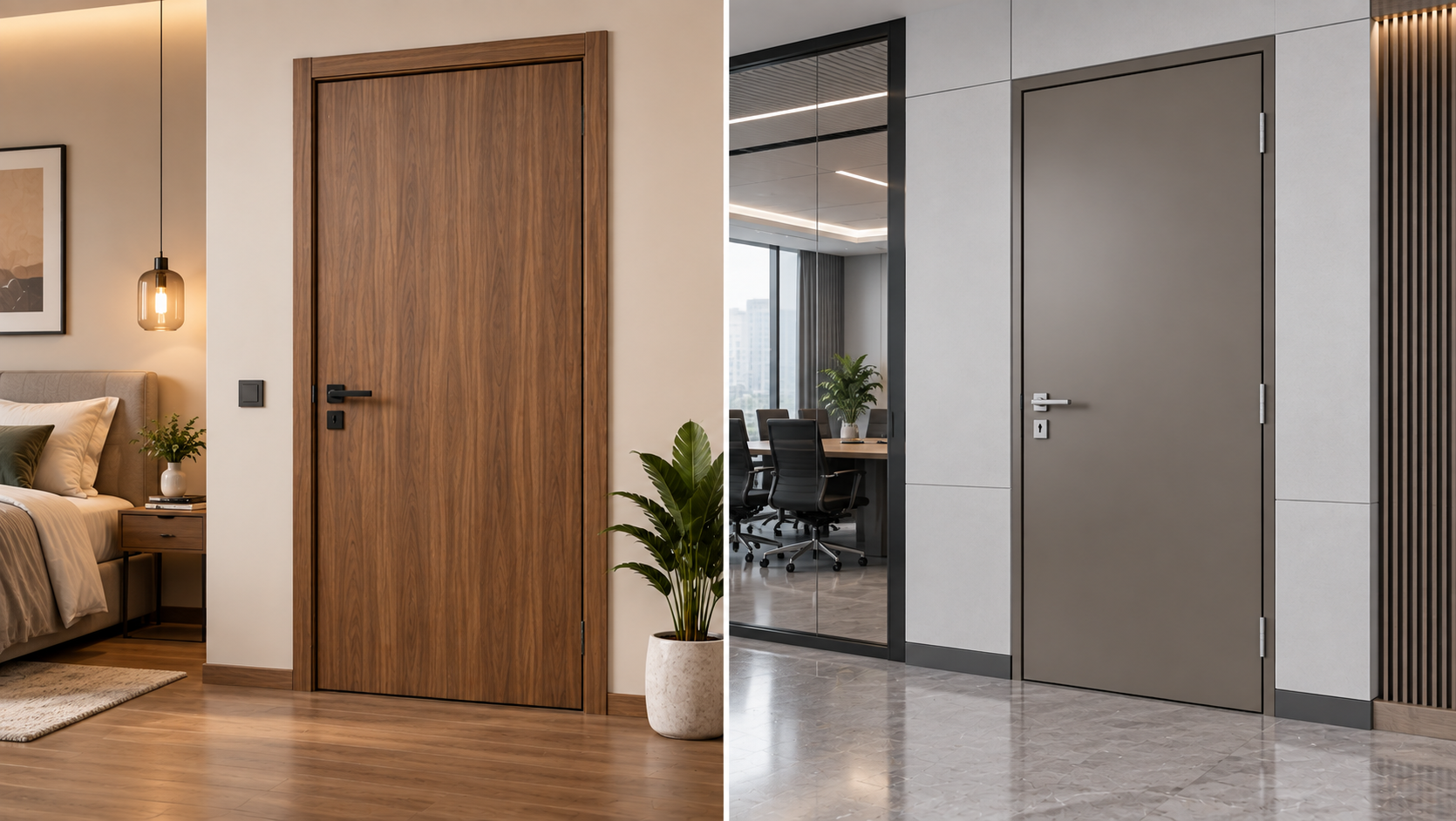 Residential vs Commercial Flush Doors: Performance and Specification Differences
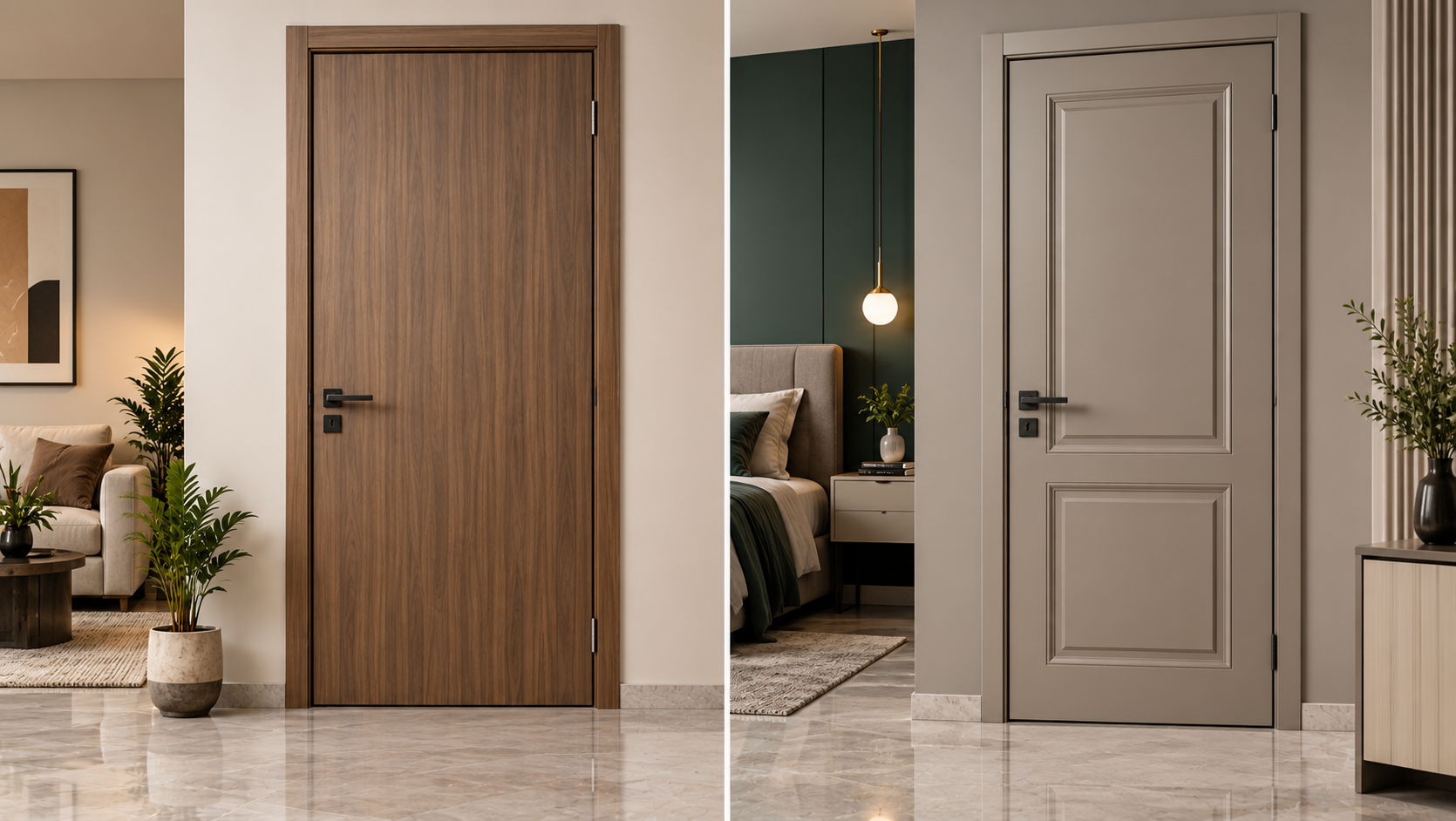 Laminated Flush Door vs Membrane Door: Which Suits Each Room?
 Laminated Door Sizes and Thickness: A Specification Guide for Indian Projects
 1mm Laminate Sheet Price: What Affects the Cost Before You Buy?
 1mm Laminate Designs for Modern Interiors: Wood, Stone, Matte and High Gloss